


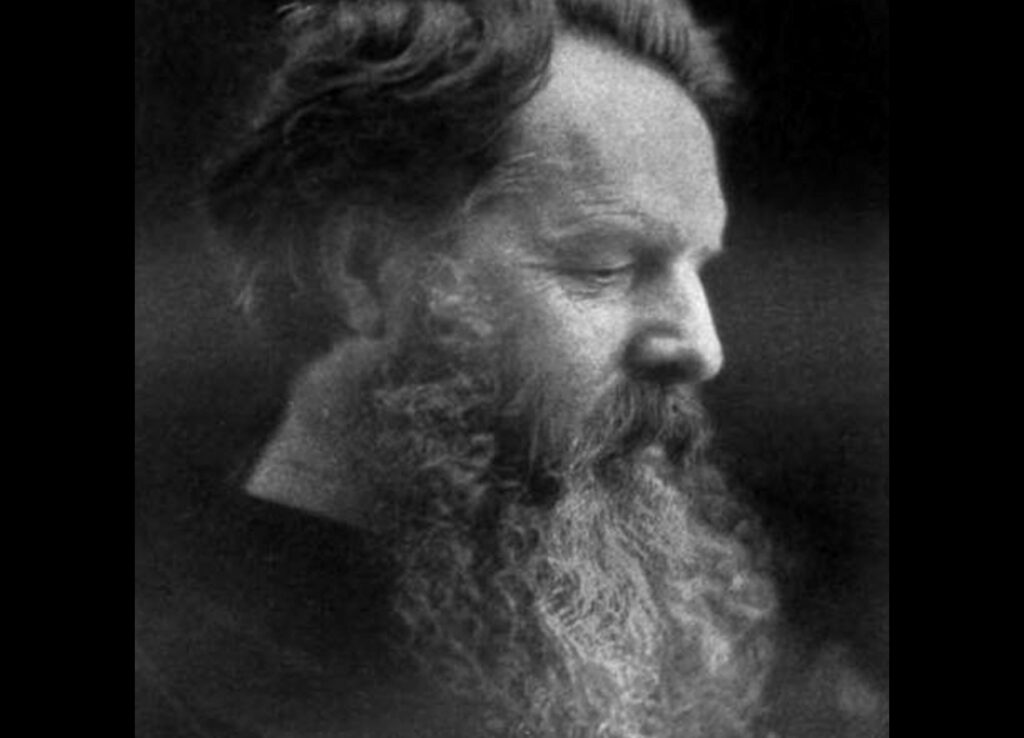
This Portsmouth boy truly made good. Of course, to do that, James T. Fields (1816 – 1881) had to move from seacoast New Hampshire to Boston. There he became publisher to the literary “idols” of his era – from Dickens and Tennyson in England to Hawthorne and Longfellow in New England. But in his heart, he was always a Portsmouth boy. With the exception of George Orwell, no figure in my literary upbringing offers a more striking role model. Not only was Fields a superb writer, but he was a profoundly good reader of great works by others, and–unlike so many creatives then and now–he not only helped promote their work, but understood the publishing and marketing business to make their work commercially successful. –JDR
Portsmouth’s Greatest Literary Lion
Publisher, author
His Boston home at 148 Charles Street was the epicenter of literary life. Ralph Waldo Emerson called it “the ark out of the modern deluge.” Henry James said it was his “merciful refuge.” Charles Dickens stayed at no other private home when he toured America in 1867. James and Annie Fields were the ultimate hosts and their narrow three-story house backed up against the Charles River was the warmest and happiest stop for visiting Victorian artists.
As a partner in Ticknor and Fields, later Houghton and Mifflin, James T. Fields became one of the nation’s most distinguished and influential publishers, both of English and American writers. He built up an empire located around Boston’s old Corner Bookstore, known as “Parnassus Corner.” Besides a continual stream of books in variously priced editions, Fields’ company also published the Atlantic Monthly and the North American Review. The guest list at his literary salon is similar to the summer visitors drawn to Celia Thaxter’s Appledore cottage. They included Whittier, Aldrich, Lowell, Thoreau, Hawthorne, Longfellow, Tennyson, plus such bright lights as Bret Harte, Bayard Taylor, Harriet Beecher Stowe, Louisa May Alcott, and actor Edwin Booth. Dr. Oliver Wendell Holmes, a neighbor, was also a frequent visitor.
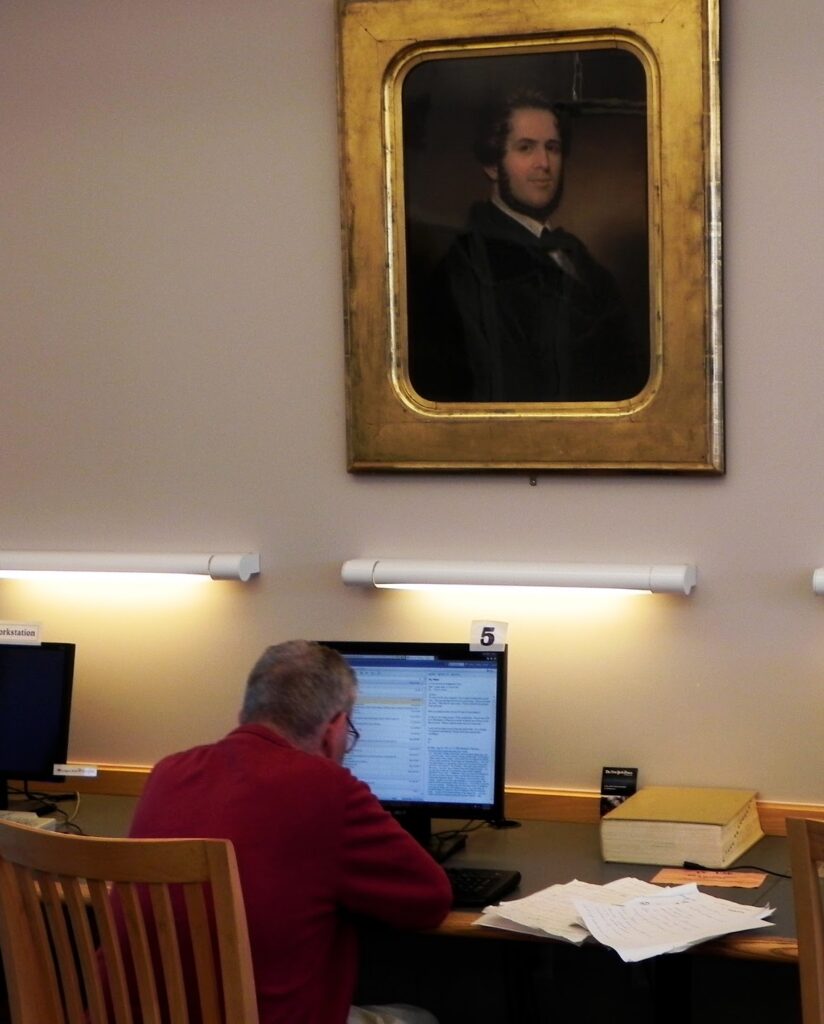
The once bustling trade port of Portsmouth had begun its decline when James T. Fields was born here in 1816. The early death of his sea captain father left James and his brother playing among the dangerous wharves along the fast-flowing Piscataqua. On one occasion, his mother forbade her boys to join a Sunday school sailing party. All the children and the teacher on the trip were lost in a sudden squall. James idolized his widowed mother and kept a strong feeling for Portsmouth throughout his life. Even as an adult, Fields was always ready for “a day or two in Portsmouth,” according to his sketchy 1881 biography by Annie Fields. Loulie Albee, the daughter of New Castle historian John Albee, remembered visits by both Mr. William D. Ticknor and Mr. Fields. They would rummage around in the attic, Loulie recalled, then come downstairs dressed in women’s clothing and perform an impromptu play.
Although denied the risky boyhood pleasures of boating and horseback riding, Young James Fields knew the Seacoast region well. He enjoyed brisk walks from his South End home to Greenland, Rye, or Dover and back. He also remembered a box of books, loaned to him by a Portsmouth neighbor, that inspired his lifetime love of publishing. He later recalled reading in his favorite spot, a window in the Portsmouth Athenaeum.
“Remember boys,” he told academy students years later, “it is not so much the books you study as the books you read which will be of permanent value to you.”
Fields had earned the right to be as somber as many of his contemporaries, yet he somehow remained vivacious, approachable and a downright funny guy. He was engaged to a Boston girl who died. When he married her sister, she died soon after. He eventually married his soul mate, Annie Adams, also a writer, critic, and editor, who was an intimate friend of Seacoast poets Celia Thaxter and Sarah Orne Jewett.
Friend and author John Greenleaf Whittier wrote about camping with Fields on the New Hampshire seacoast in his poem “The Tent on the Beach.” Fields made Whittier wealthy with his uncanny ability to deliver literature that the public was willing to buy. Whittier wrote that Fields could “well the market value tell of poet and philosopher.” He could not only package British authors like DeQuincy, Dickens, Wordsworth and Thackery for American buyers, but identify American writers who had equivalent talents and commercial potential.
Unlike many financially successful publishers of his age, James T. Fields was also an accomplished writer and poet. He could craft a clever rhyme attached to a clever story. In “The Lucky Horseshoe.” for example, a farmer is brought almost to ruin when he nails a horseshoe on his barn upside down, thus bringing on a plague of bad luck. Fields’ familiarity with the writing process and identification with the writing life helped him coax the best work from often reluctant and idiosyncratic authors like Hawthorne.
He was, in the end, not just a publisher, but “one of the boys.” Fields knew how to play the game of life, a skill he often said had been learned as a Portsmouth youth. During one of his appearances at a number of homecoming events, Fields said:
“It is good for us to be a troop of happy boys once more. I am glad to see the companions of my school-days; boys who have knocked the chip off my hat, boys who have dared me out three times, boys who have met me in those fierce encounters between the Northern and Southern tribes of our native town, and who are my excellent friends now that these bloodless but terrible Saturday afternoons are all over.”
(C) J. Dennis Robinson. All rights reserved.
 Our Portsmouth Parking Poster Parody
