

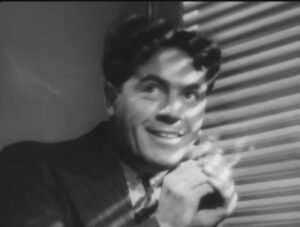
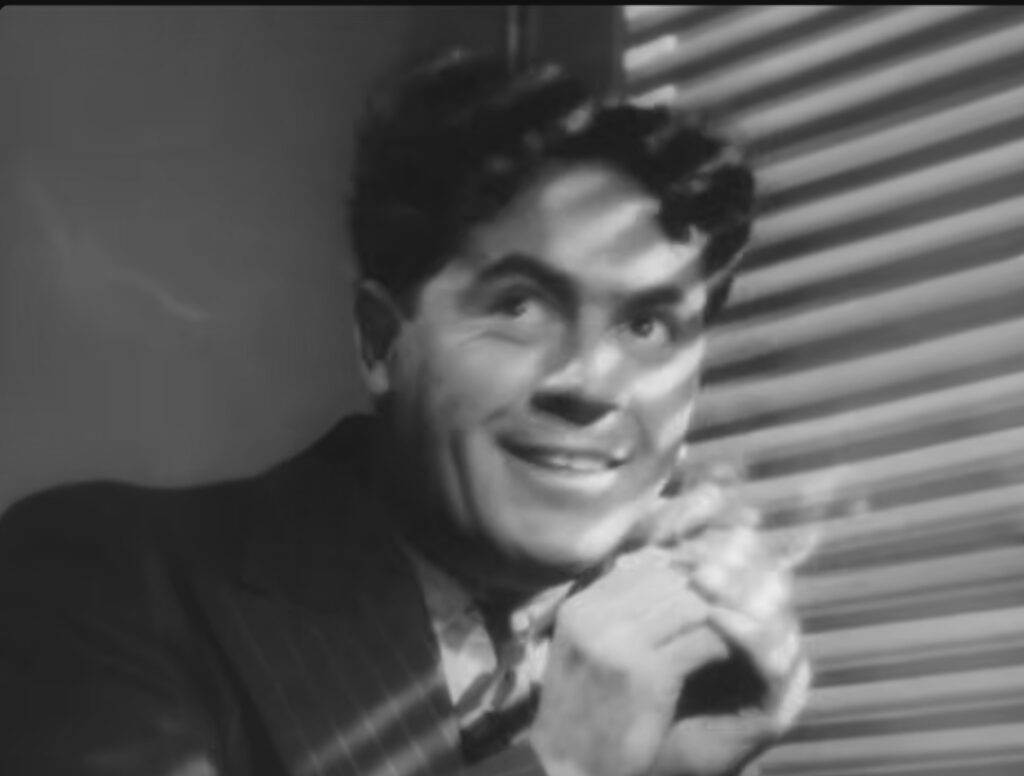
In May of 1947, local narcotics agents shut down the Civic Theater on Chestnut Street in Portsmouth, NH for showing the film Reefer Madness. The Civic, for you newcomers, was the name employed by the owners of the Music Hall from 1945 until the early 1980s.
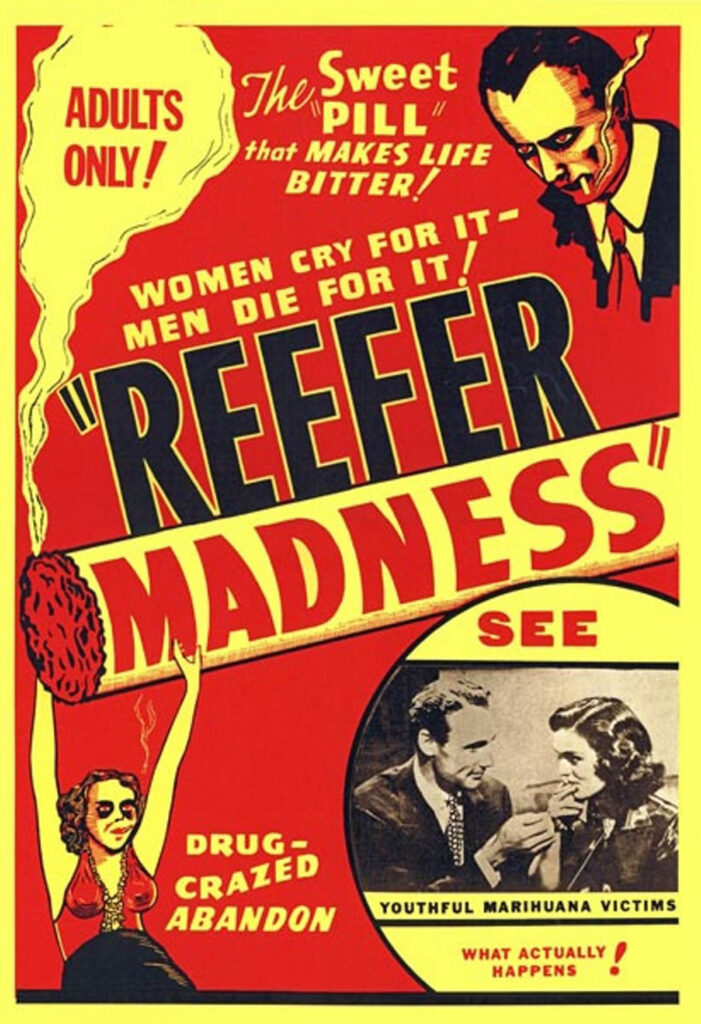
Oddly, city health officials would shut down a theater for showing a propaganda film that railed AGAINST the evils of smoking marijuana. Originally titled Tell Your Children, this badly acted melodrama was funded by a religious group and released back in 1936. But what began as an educational film was quickly turned into a cult classic when another producer inserted “salacious and exploitative” scenes not found in the original.
SEE: Memories of Walter Brooks
In the 1940s, the parody version gained underground fame as one of the worst films ever made. Distributed as Reefer Madness on the East Coast, it was also released under the titles Doped Youth and The Burning Question. The mocking tone of the re-edited version appealed to “the more artistic beatnik contingent” of post War War II youth, according to Music Hall historians Zhana Jennifer Morris and Trevor Bartlett.
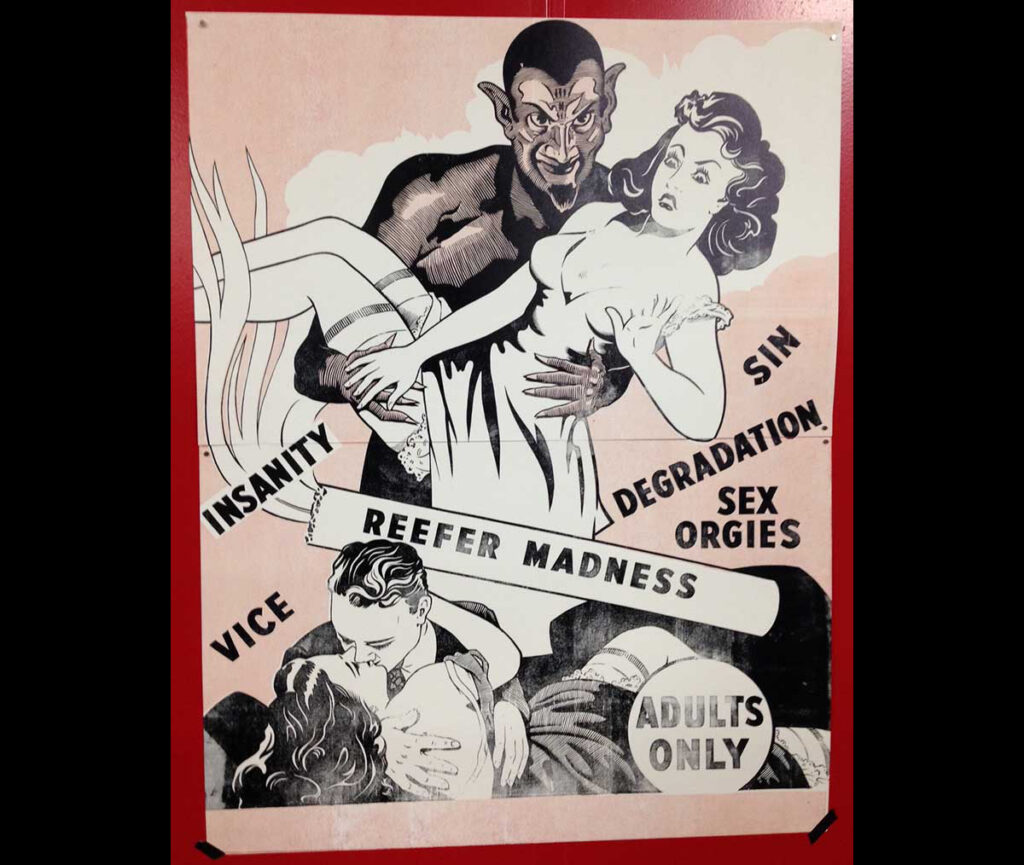
Times certainly have changed, but looking back, it’s easy to see how the burgeoning youth movement threatened the status quo. This was also the era when the United States and Russia, former allies, were breaking bonds. Foreign spies, atomic weapons, the “Red Scare,” and the “Cold War” were soon the topic of popular movies seen at the newly renovated Civic, the Olympia, the Colonial, and the Arcadia theaters downtown. Scholars also theorize that posters showing a black devil carrying off a helpless white woman were an attempt to stir racial prejudice..
In 1948, a year after the Reefer Madness scandal at the Civic, the Portsmouth Herald reprinted a national news piece headlined “Reefer Smoking on the Increase in U.S.” The addictive weed, according to the article, was known to users as “Mary Warner” and “has the greatest appeal to people of addictive personalities.”
SEE: History of Music Hall book
Later that year the Herald reported “Robert Mitchum Jailed in Filmland Dope Raid.” The rising young actor was caught with 13 marijuana cigarettes that he surrendered to narcotics agents after a six-month-long investigation into the Hollywood drug scene. Elsewhere in the Herald, a syndicated gossip columnist joked that Mitchum’s latest leading lady, Loretta Young, was “playing second fiddle to a reefer.”
The soon-to-released movie starring Mitchem and Young, the columnist wrote is “Mitchum’s first release since those coppers waded through marijuana smoke and found Bob in a blue haze. Mitchum is getting all the publicity for the picture and in some places billing over Loretta!”
(c) J. Dennis Robinson. All rights reserved.
 Spotting Astronauts on Earth