


October is the month that Portsmouth dodged a bullet, or more accurately, a cannonball. I’ve been reading up on Capt. Henry Mowat, the man who almost destroyed our little seaport in 1775. Readers will recall that, after greater Portsmouth residents attacked the fort at New Castle late in 1774, King George III was very upset. Immediately following the raid, two warships, HMS Canceaux and HMS Scarborough, were sent from Boston to stand guard at the mouth of the Piscataqua River to put down any further rebellion here.

While HMS Scarborough stuck around to worry the locals, Capt. Mowat (1734-1798) of HMS Canceaux was ordered to cruise the coast of the District of Maine, then part of the province of Massachusetts. Mowat was briefly captured by patriot American forces, but released.
On October 18, 1775, Capt. Mowat and a small fleet sent a message to the people of Falmouth, Massachusetts, now Portland, Maine. Mowat was ordered, he explained, to “execute a just punishment” on rebellious New Englanders who had attacked British merchant ships and boycotted British products. Locals were given two hours to “remove without delay the human species out of the said town.”
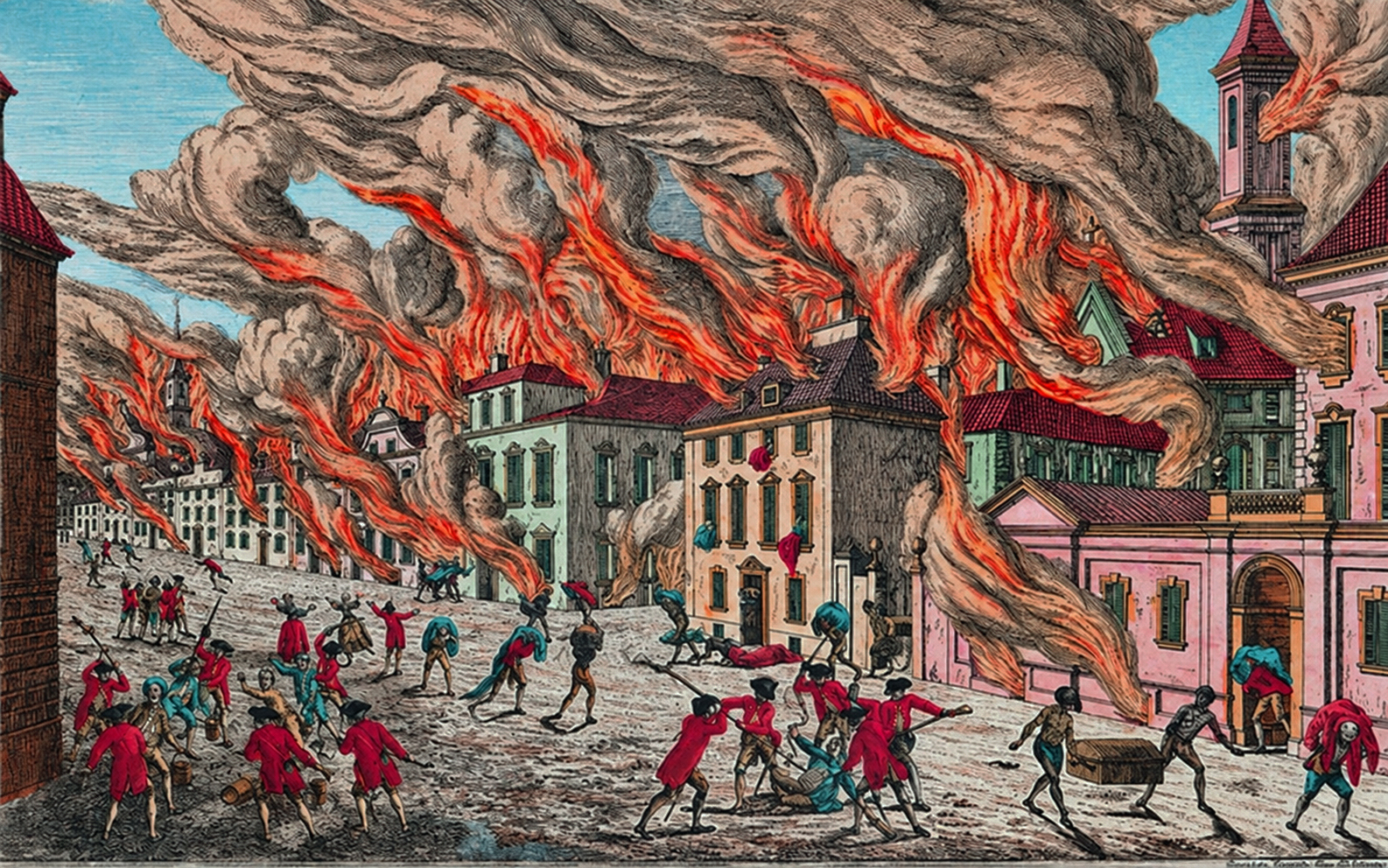
“The Burning of Falmouth” with hot cannon fire damaged or destroyed 400 buildings and left 1,000 people homeless. But the attack only further emboldened revolutionary New Englanders in the following War of Independence. There were rumors Portsmouth would suffer a similar fate. Residents were petrified “Mowat’s Revenge” might also destroy New Hampshire’s only seaport. George Washington sent Gen. John Sullivan to guard the mouth of the Piscataqua River. But, the British did not attack Portsmouth. Persistent rumors that Mowat spared this region because he was having an affair with a local woman, though colorful, are unsupported by the facts.
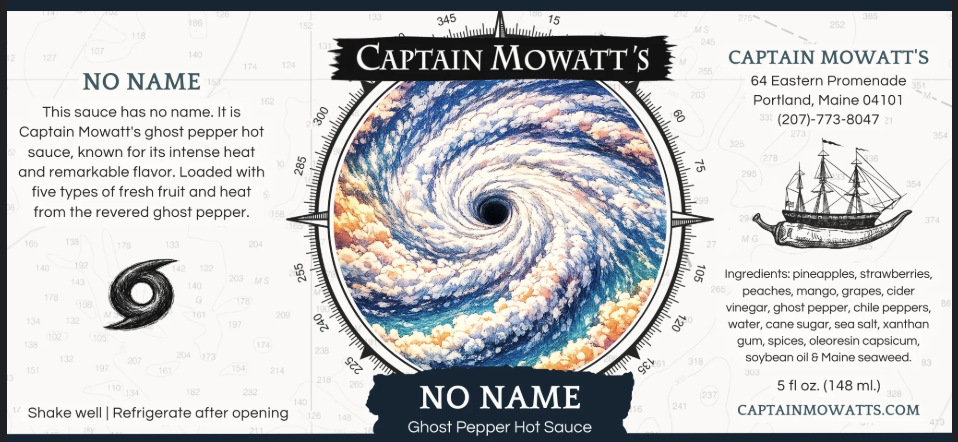
For more on the topic, read The Maritime Marauder of Revolutionary Maine: Captain Henry Mowat (2015) by Maine history writer Harry Gratwick. You can also read the abridged logs of the ship in the book Henry Mowat: Voyage of the Canceaux, 1764-1776 (2003) edited by Andrew J. Wahll. For the record, in revenge, a Portland company now sells a variety of award-winning condiments, including “Captain Mowatt’s Canceaux Sauce” reputed to be burning hot.
SeacoastHistory.com
 Tales of a Real Ghostbuster
