



Deep into the dog days of summer in 1893 the good citizens of New Castle pulled off one heck of a bicentennial bash.
A rarely seen souvenir booklet details the celebration that began at 6 a.m. on August 17 with the ringing of church bells and the firing of cannon at Fort Constitution. A procession and flag raising at 11 a.m. was followed by somber patriotic speeches at the old fort and a “collation” or light meal.
The luncheon, according to the late town historian Anna White took place in a 100-foot long stone shed at the fort that was hung with bunting and flags. The bicentennial committee supplied 70 gallons of tea purchased from the Oriental Tea Company, plus mountains of coffee, fruit, and snacks with enough napkins and plates for over a thousand people.
The afternoon sports kicked off with a “10-oared boat race,” a bicycle race, and the 100-yard dash. Then came the potato race, sack race, and obstacle course for kids, topped off by a spirited sailing competition among members of the Portsmouth Yacht Club. The evening wrapped up with a band concert, a bonfire and a fireworks display.
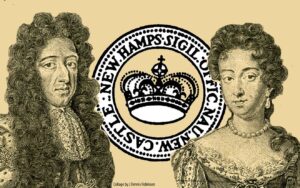
Why 1893? The all-day party did not mark the 1623 arrival of the first European settlers to the nearby New Hampshire shore. It was, instead, a 200-year commemoration of the year that “Great Island” broke away from Portsmouth to become the town of New Castle. The official proclamation, signed on May 30, 1693, came from King William III and Mary II, the only couple (they were married cousins) to serve as joint sovereigns of Great Britain.
The previous year, in 1692, King William had gifted the residents with new brass cannons to beef up defenses at Fort Point, known locally as “The Castle,” at the entrance to the Piscataqua River. The upgraded fort was then rechristened Fort William and Mary (now Fort Constitution). It was this much improved “New Castle,” historians suggest, from which the town took its new name.
All history is local
What New Castle residents knew back in 1893, and few locals recall, is that Great Island was the original heart of the British settlement known as Strawberry Bank, later renamed Portsmouth. “New Hampshire has forgotten that story,” one speaker told the crowd assembled at the bicentennial.
“The fact is,” the speaker continued, “that the settlement of New Castle is prior to that of Portsmouth, and that for the first 75 years it was the center of the province, and two thirds of the provincial officials were citizens of the town.”
We have forgotten this, in large part, because the history of Portsmouth in the 17th century – like that of its British rulers–is frustratingly complex. As historian John Albee told his bicentennial audience, New Castle became the heart of the new colony because it was a highly defensible island, strategically located at the mouth of the Piscataqua River, back when codfish, lumber, rum, and molasses drove the economy. The earliest fort, jail, church and village evolved on Great Island, then shifted over time to “The Banke,” now the Portsmouth South End.
Why should we celebrate the formative days of Portsmouth, or New Castle, or any other town? Because, John Albee told his audience: in honoring our forebears, we are discovering our own true nature.
“Local history is the only important history,” Albee declared. “In it we come nearer to human life, to man, than in that of empires.”
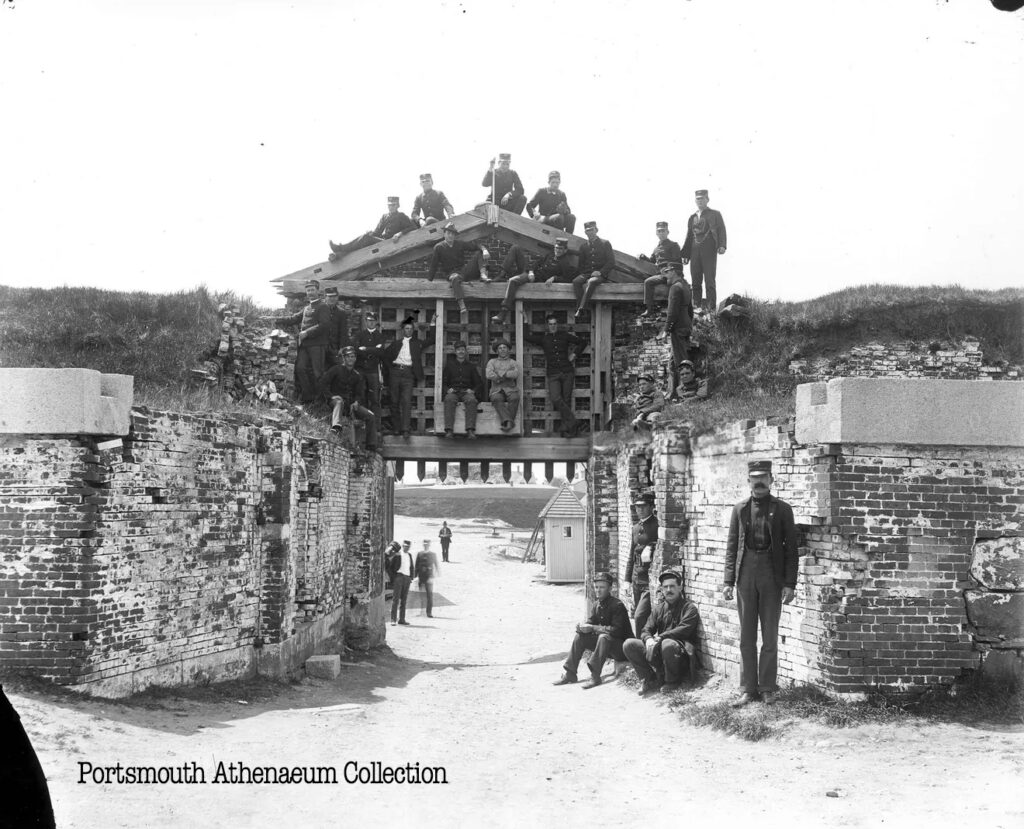
(Courtesy Portsmouth Athenaeum Collection)
A separate piece
Long story short, the independent-minded fishing community of Great Island had little interest in the bustling increasingly Puritan port of Portsmouth. These villagers were “dwellers of the sea” John Albee concluded. “Nor can they be happy away from their boundless horizon.”
According to an early tax list, only three out of 57 households on Great Island owned a horse in 1680. Getting to church at “The Banke” by boat during the winter in an age before bridges, the islanders claimed, was a hazardous journey.
So with the blessing of William and Mary, New Castle broke away from Portsmouth and was incorporated as a separate parish in 1693. A transcript of that Royal Charter was included in the 1893 bicentennial booklet and lays out the boundaries of the new town. The instructions, however, are not easy to follow today.
A portion of the border, for example, included the land “running from…Sampson’s Point, and from thence southwest by the outside of the fenced land of Sagamore’s Creek to the head of Aaron Moses’ field to an old hemlock tree by the side of the roadway.” The New Castle charter included a portion of Rye originally called “Sandy Beach.” Rye split off from New Castle to form its own parish in 1726.
The New Castle charter also called for the regular election of three selectmen “to take care of the poor and the highways.” It specified that the ferry must run for free on days when the “fair” or marketplace was open. The royal document, a copy of which was on display at the 1893 festivities, had one clear demand.
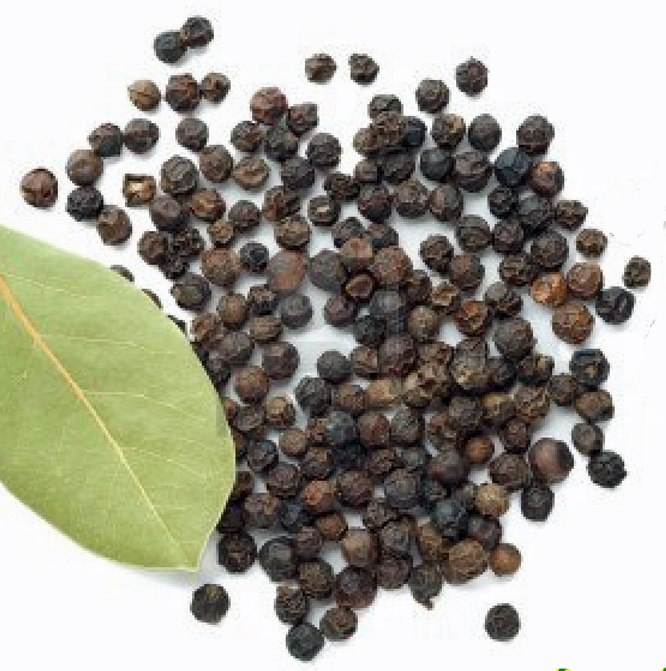
To seal the deal in 1693, William and Mary required the parish of New Castle to pay a small, extremely small, annual fee to the British Crown. The “men and inhabitants” of the town were required to pay a “quit rent” of one peppercorn. The single peppercorn was due every year on Oct. 20 “to the king and queen, or to their heirs or successors “forever.”
Quaint and scenic
As Portsmouth boomed in the 18th century, New Castle languished. “When left only to its own local affairs,” according to town historian Albee, “it gradually became insular, clannish, and peculiar.” With no industry of its own, with fish stocks declining, the little town, only one mile square, seemed as isolated as the Isles of Shoals, six miles out to sea. By the 19th century, most local men worked in Portsmouth or at the shipyard in Kittery.
The winds of change began to shift in 1874 when the Wentworth Hotel appeared on a scenic bluff overlooking Little Harbor. Tourists trickled in to the original boxy hotel built by the Campbells, a local family who soon went bankrupt. But tourists flocked to the Wentworth a decade later after ale tycoon Frank Jones took over. Jones invested heavily – redesigning, expanding, and modernizing what became Wentworth by the Sea, with its sprawling grounds, golf course, and marina.
So by the 1893 bicentennial, linked by a new bridge to Portsmouth, New Castle was on its way to becoming a key destination again. Its prominent lighthouse, scenic country lanes, crumbling fort, lifesaving station, and quaint village made it the perfect seaside spot. Ideal for local daytrippers, it also drew summer visitors escaping the heat and smog of big cities across the country.
According to the 1893 souvenir booklet, New Castle was fast becoming “a suburban residence in this quiet, historic town, very likely to the envy of our [Portsmouth] city neighbors, who some years ago discovered the natural attractions here.”
With evident delight, the editor joked: “New Castle shares, with 50 other places, the distinction of being the prettiest spot on the coast.”
And what about the annual fee due to the British Crown? That question came up in 1973 as the city of Portsmouth celebrated the 350th anniversary of its first settlers. According to the Portsmouth Herald, the New Castle board of selectmen wrote a letter to Her Majesty Queen Elizabeth II, admitting the town had neglected to pay its annual peppercorn since at least 1774. That was the year, aroused by a visit by Paul Revere, Seacoast citizens conducted a raid on the British fort and walked away with the weapons and gunpowder belonging to King George III. The New Castle selectmen enclosed a token peppercorn payment, but decades later, they are still awaiting the Queen’s reply.
Copyright 2018 by J. Dennis Robinson, all rights reserved.
 Thoughts on Esther Buffler, Our First Poet Laureate