

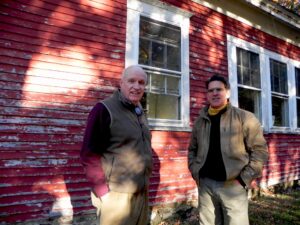
“I thought of moving it to John Paul Jones’ Park, and maybe have a little seasonal visitor center,” Jeffrey Thomson said in 2015. The chairman of Kittery’s Town Council is once again brainstorming ideas for the forgotten old one-room Safford School. Now that the town owns the small oval-shaped park at the entrance to the new Memorial Bridge, his idea seems almost feasible.
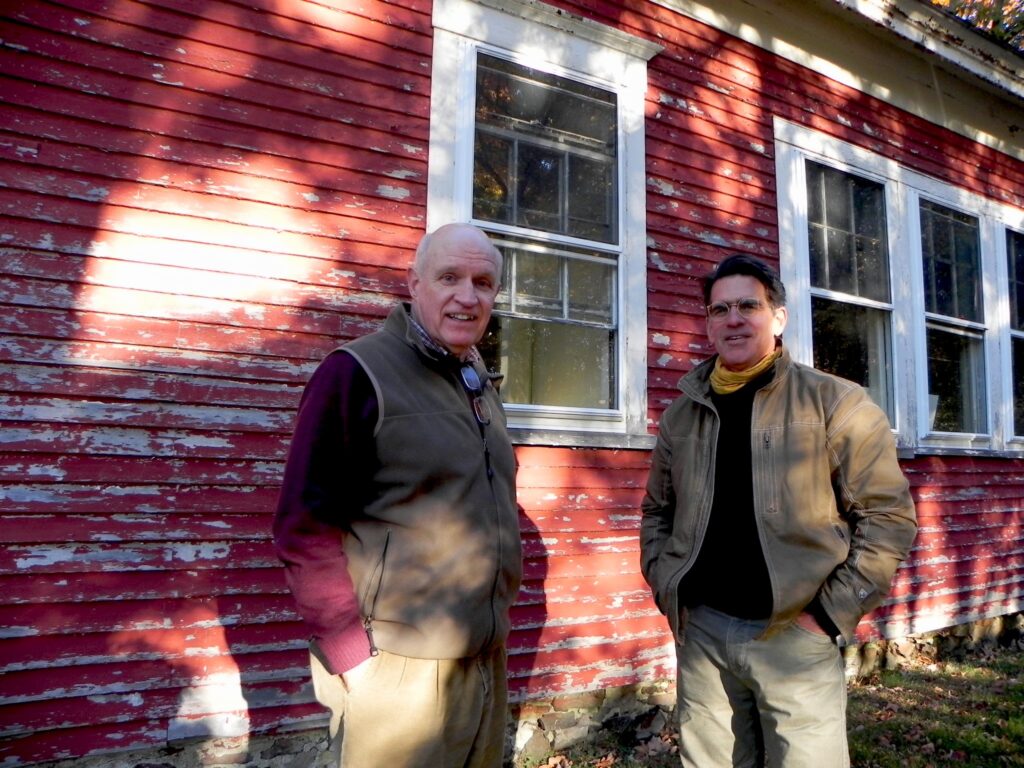
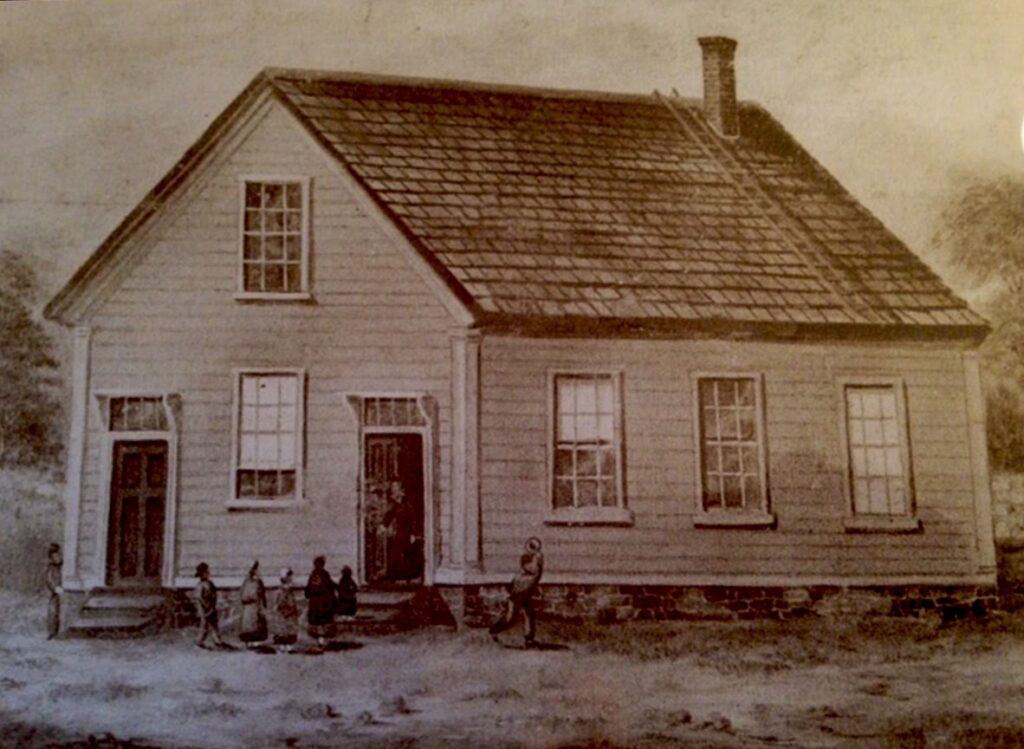
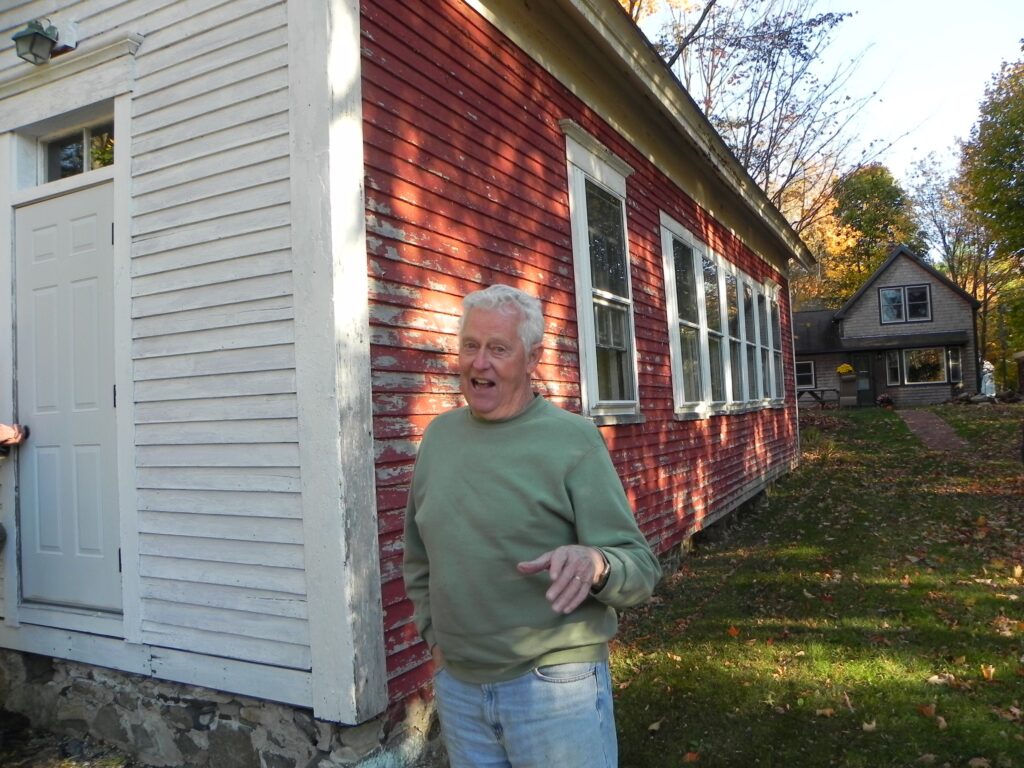
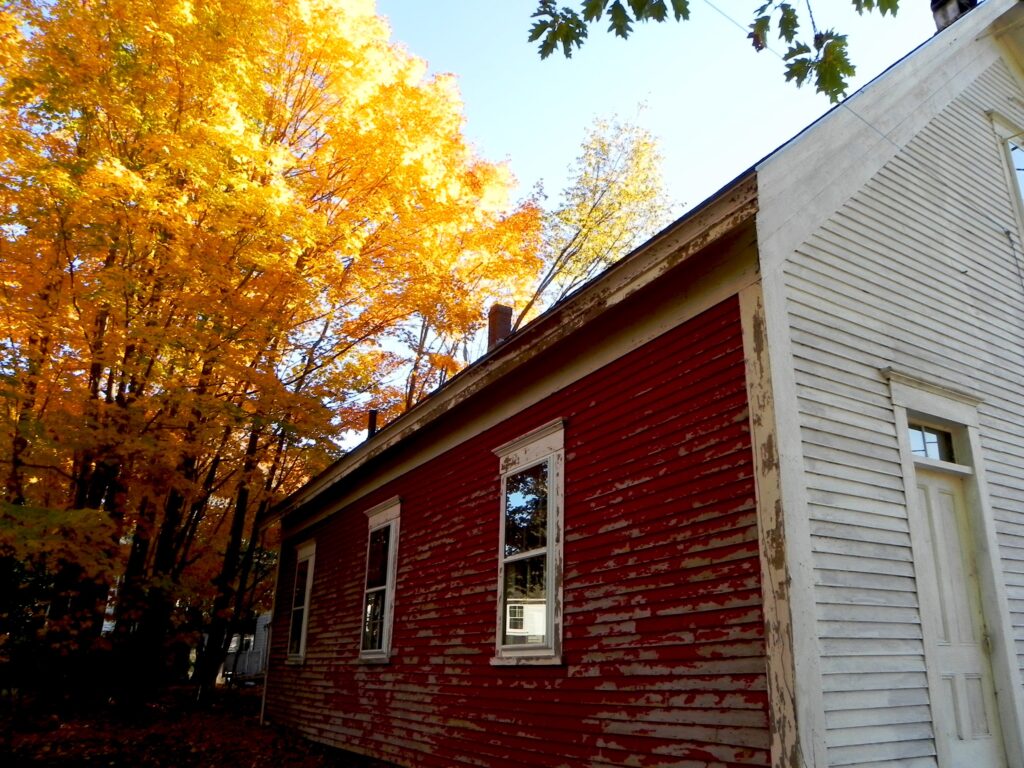
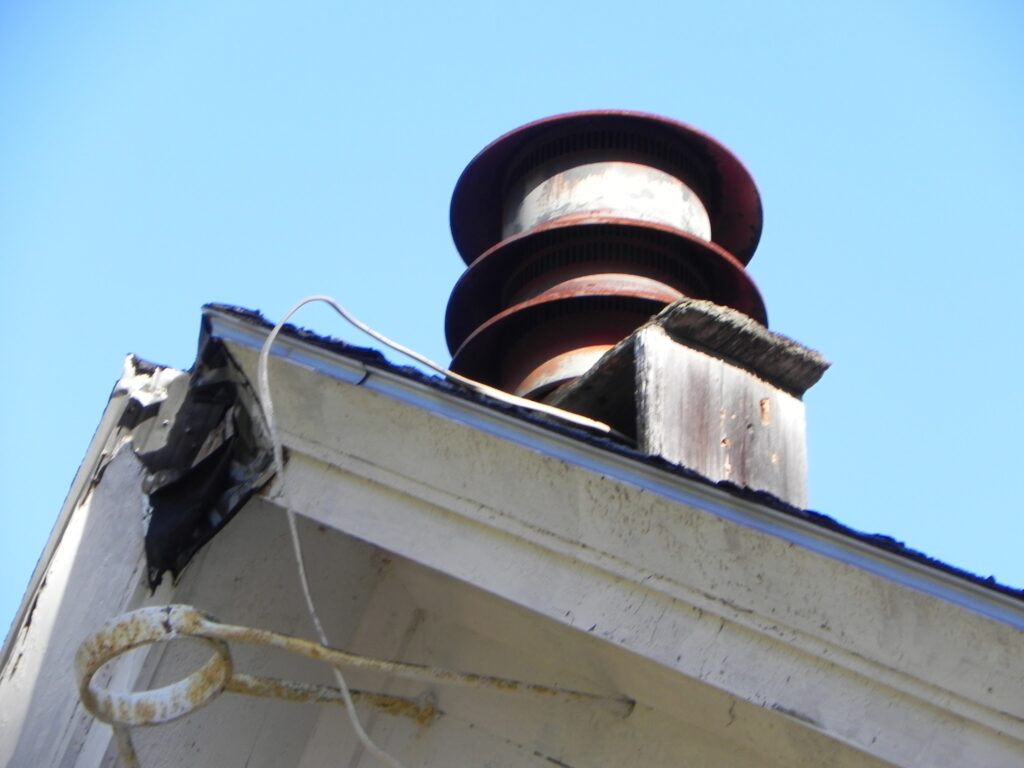
But SaffordSchool is four miles north of JonesPark, off Chauncey Creek, near GerrishIsland. Built in 1872, it rests on its original stone foundation at 62 Brave Boat Harbor Road. It pops up quickly on Google Map, but you might just miss it driving by. The drab white front of the 1 1/2 story building is topped by a large defunct siren. The other three sides are red, the paint flaking off to reveal the bare wood beneath. It has not been used as a school since the early days of World War II.
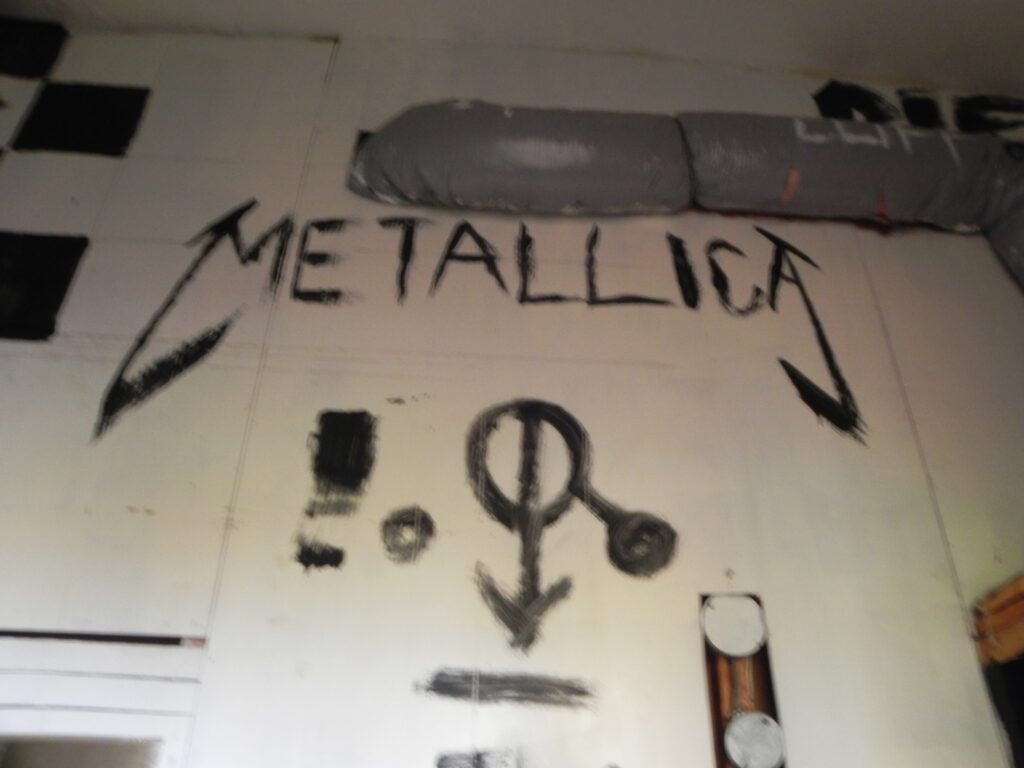
“It’s just never gotten any legs,” Thomson says, referring to decades of failed attempts to find a solid use for the building. It has served as an unofficial community center, a site for scout meetings, a rehearsal space for a rock band, and an artist’s studio.
In 2008 the Kittery Town Council put out a request for proposals (RFP) to lease the building for up to 35 years. Although it is not on the National Register of Historic Places, the lessee is required to maintain the historic facade of the building. The structure could be adapted as a dwelling, according to the RFP, or for “educational, religious, philanthropic, fraternal, political, or social” purposes–based on town approval. The old building cannot be used for “a sawmill, piggery, or the raising of poultry for commercial purposes.”
“There’s just never been a proposal that has wowed everybody,” Jeff says.
That may be an overstatement. The proposal drew almost no response, due perhaps to restrictive requirements, location, neighborhood zoning, taxes, lease payments, and the high cost of renovations. One estimate suggests it might take $175,000 to bring the building up to code and livable use.
“Not all old buildings can be saved,” I tell Jeff, playing devil’s advocate. “Maybe the town should just threaten to tear it down.”
“It worked for WoodIsland,” Thomson says, referring to the nonprofit group formed to save Kittery’s abandoned 1908 life-saving station from demolition.
If the evolving upscale town of Kittery has become “the new Portsmouth,” as many claim, then like Portsmouth in the 20th century, Kittery is facing a host of controversial preservation issues. Portsmouth eventually turned more than 30 historic houses into nonprofit museums, many clustered within the walls of Strawbery Banke Museum. These preservation efforts were never easy, always costly. And in almost every case, I remind Jeff, the early funding to save historic Portsmouth buildings came from “outsiders,” not residents.
Kittery recycled one former school into a dynamic new community center. But there is no end of old structures in Maine’s oldest town. Besides WoodIsland, recent newspaper headlines have focused on the fate of Frisbee’s Market, Rice Public Library, the naval prison at the shipyard, Whaleback Light, and other at-risk sites.
But instead of giving up on Safford School, the town has agreed to replace the crumbling roof before the winter snow flies. Once #6 of the town’s 12 neighborhood grammar schools, Safford School has been the subject of annual newspaper updates. No savior, however, has appeared. The 142-year-old building, though solid, is moving onto the endangered list. Still, despite the lack of response, Jeff Thomson is unwilling to let Kittery’s last one-room schoolhouse go.
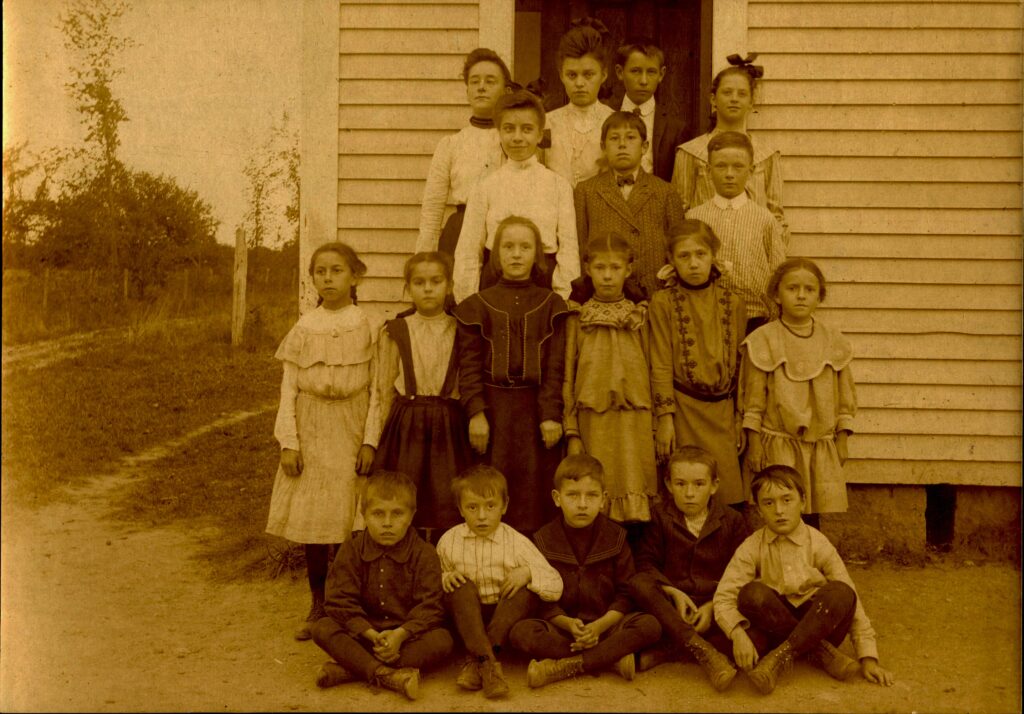
“So it’s on life support,” I suggest, “not death row.”
“Life support,” Jeff nods. “That’s good.”
We stop at the town offices to pick up Nancy Colbert Puff, Kittery’s town manager.
“She’s got the key,” Jeff says.
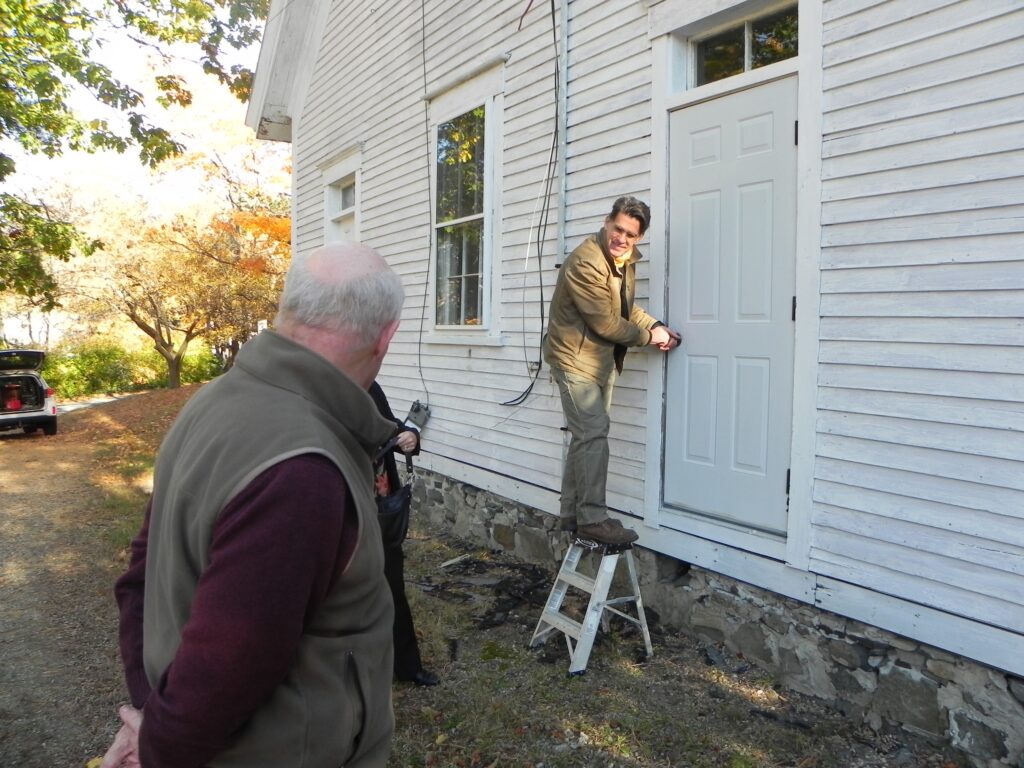
But the key refuses to cooperate. Ten minutes after our arrival at the old school, standing on a wiggly aluminum ladder, Nancy has yet to gain entry. There are two front doors. In the olden days, girls used one door, boys the other. There were separate vestibules to store student lunch pails and boots, with metal hooks for their coats and hats.
Preservation advocate Roger Cole, who has been trying to save SaffordSchool for years, has also arrived. Roger too struggles with the key.
“There’s actually been a lot of interesting ideas over the years,” Roger says, though none, admittedly, have taken root. Roger takes the long view.
“It just needs to be secured,” he says. “The entire exterior needs to be buttoned up. That will give us a few years. My big issue is that I hope the town doesn’t sell it. “
We discuss the possibility of moving the building to another location. I suggest selling it for a dollar to whomever will cart it away, providing they promise to leave the exterior intact. Roger is against that.
“I see this as a community heritage site,” he says. He imagines a day, maybe 50 years from now, when people in Kittery will be glad it survived, perhaps as a private home, but on its original site.
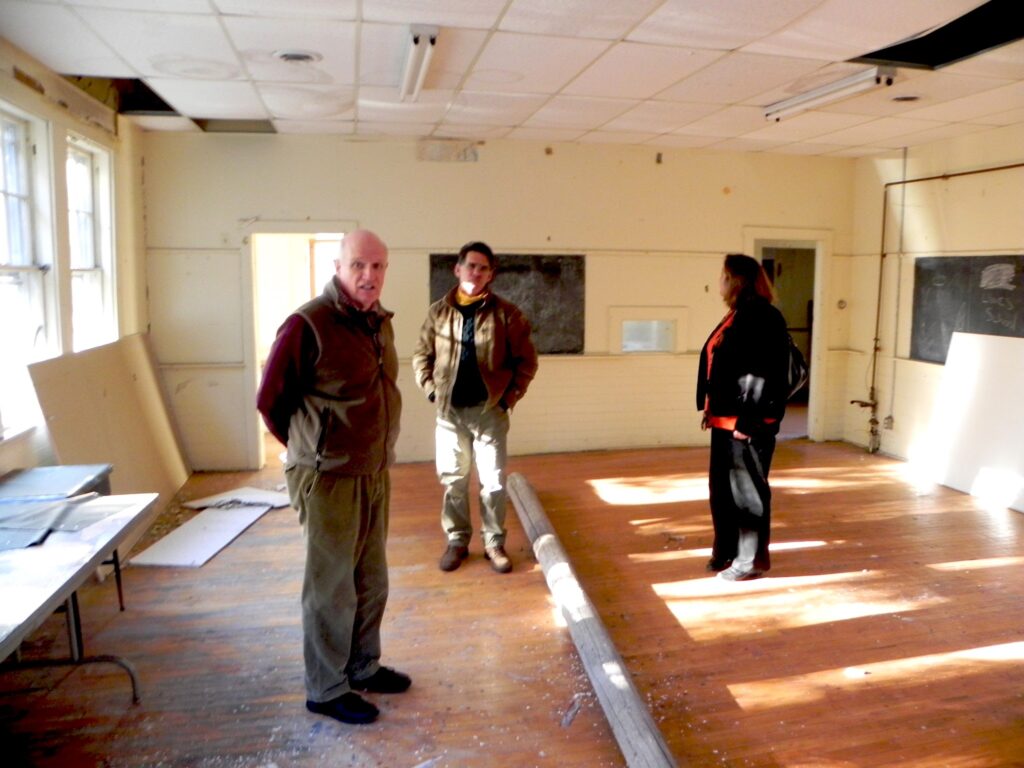
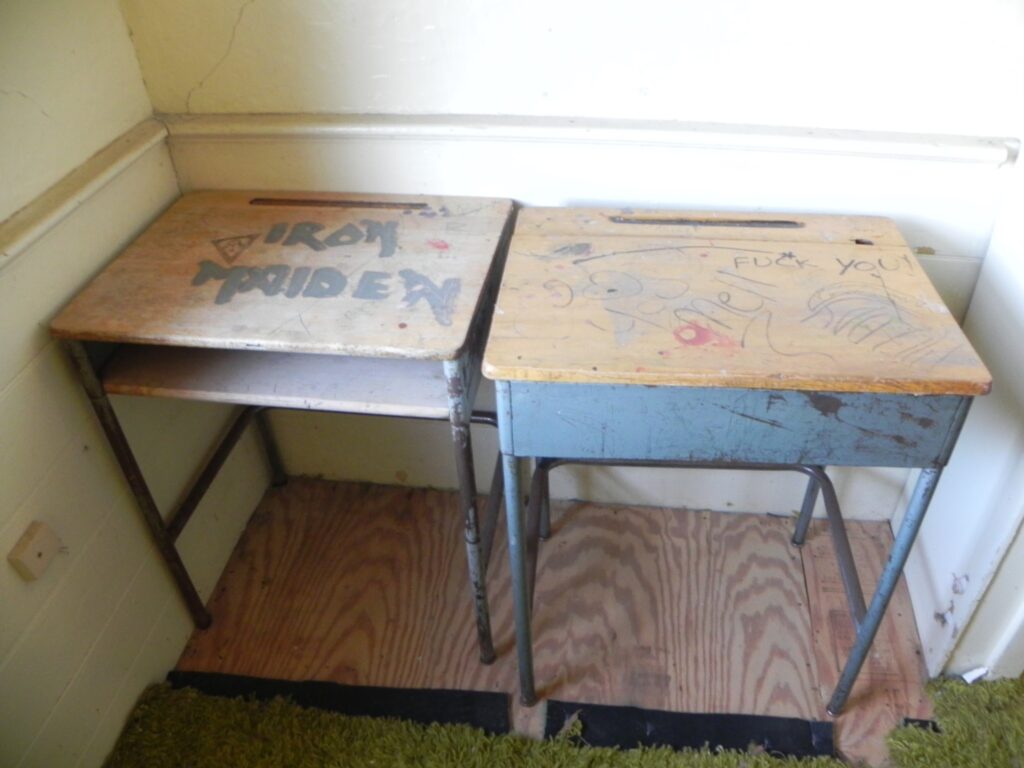
The key finally works. The interior has a sharp unoccupied scent. There are blackboards on two walls. The other two walls include an old electric heater, and a bank of windows looking out onto orange and red leaves. Among a cluster of books is a Bible dated 1808, now coated with fallen plaster. A few modern ceiling panels have collapsed onto the maple flooring. The original wooden flagpole, once attached to the exterior, lies across the empty room like the discarded mast of an ancient ship.
Spotting the activity, a few neighbors appear. Charles Toby, who lives at Chauncey Creek, says he graduated from SaffordSchool in 1942.
“That was the year it closed,” Jeff notes. “My mother was the last teacher here.”
Charles remembers Jeff’s mother. The two Kittery residents fall into a nostalgic chat.
“Were you in the class where the goldfish froze in the bowl?” Jeff asks Charles.
Then there was the rumor, Jeff says, that a notorious “cathouse” was located across the street.
“My mother said that, when the sailors would come by, she’d get the kids off the playground.”
Another visitor (I don’t catch her name) recalls social events in the former school in the 1960s. There were sewing club meetings, she says, a skimobile club, and holiday parties.
“The only thing I didn’t like,” the woman says, was the old bathroom. There was one of those tanks, high up. I was afraid if I pulled the chain, it would come down on me.”
She pauses. She scans the room as if looking into the past.
“Good times,” she whispers to herself. “Good times.”
The visit has become an impromptu block party. There are handshakes all around and a few quick hugs. Laughter once again echoes off the barren walls. The scent of decay is replaced by that of autumn leaves.
Outside, I ask Roger Cole and Jeff Thomson to pose against one wall of the little red schoolhouse. The sun is setting.
“You may be the last two people who care,” I joke.
They don’t believe that’s true.
“The people who remember this as a school may not be around much longer,” Jeff says as we get back into his car. The scenery as we drive back through Kittery Point to the town offices is spectacular.
“I’m not too worried about the town hanging onto it,” Jeff says of the school where his mother once taught. The visit has renewed his love for the old place. His hope for its future is refreshed, but he is pragmatic. Not everyone cares about the little things. Time marches on.
“If only we can find a way to market it. If only someone can do the work that needs to be done, that would be fine with me, he says.”
Copyright © 2015 by J. Dennis Robinson, all rights reserved.
 Saving the Old State Street Store