


SEE ALSO Bellamy’s giant eagly
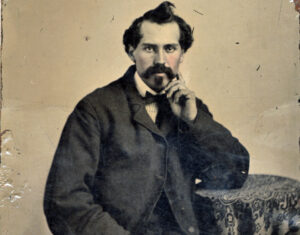
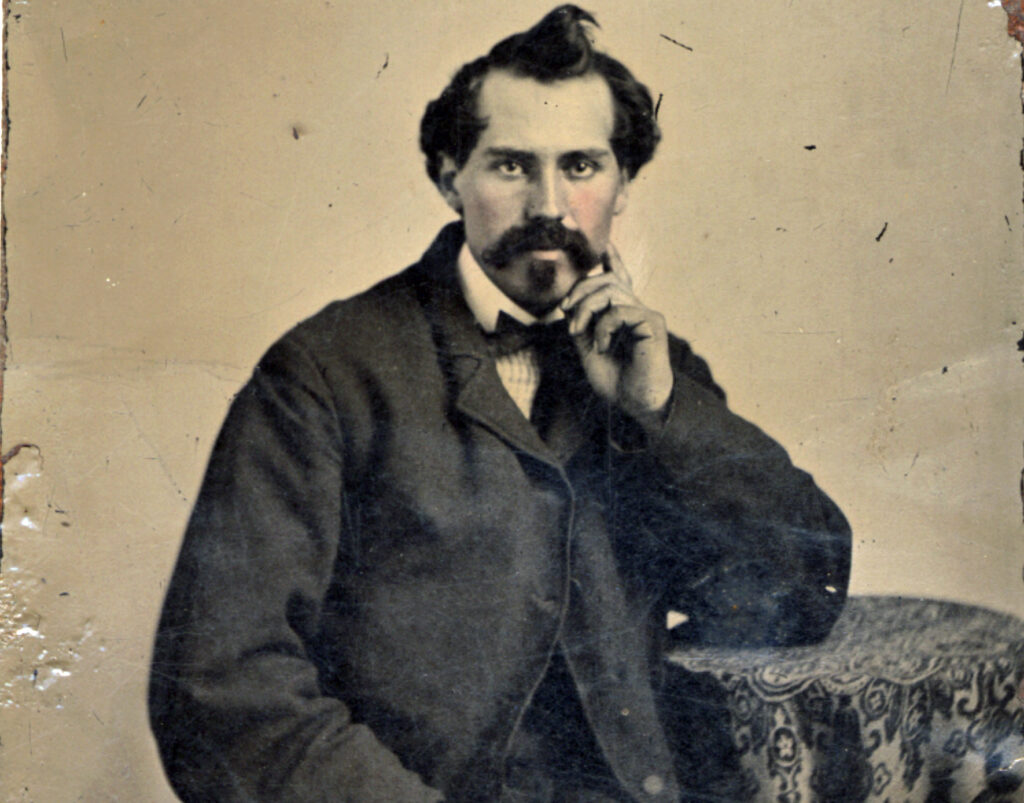
John Haley Bellamy has been called a genius. His wooden eagle carvings are as familiar today as Shaker chairs or paintings of the sea by Winslow Homer. Bellamy synthesized the power and free spirit of the American eagle into a block of wood that became a patriotic souvenir for thousands of eager Victorian buyers. And he managed to carve those blocks of wood with such speed and finesse that he became a highly successful entrepreneur.
But the famous Bellamy eagle, considered “the pinnacle of American wood carving,” did not spring fully formed from the artist’s fertile mind. As biographer James A. Craig brilliantly demonstrates, the iconic image evolved over decades of training, practice, failure, and experimentation. Born in 1836 in Kittery Point, Maine, Bellamy grew up in “a world of wood” says Craig, author of American Eagle: The Bold Art & Brash Life of John Haley Bellamy.
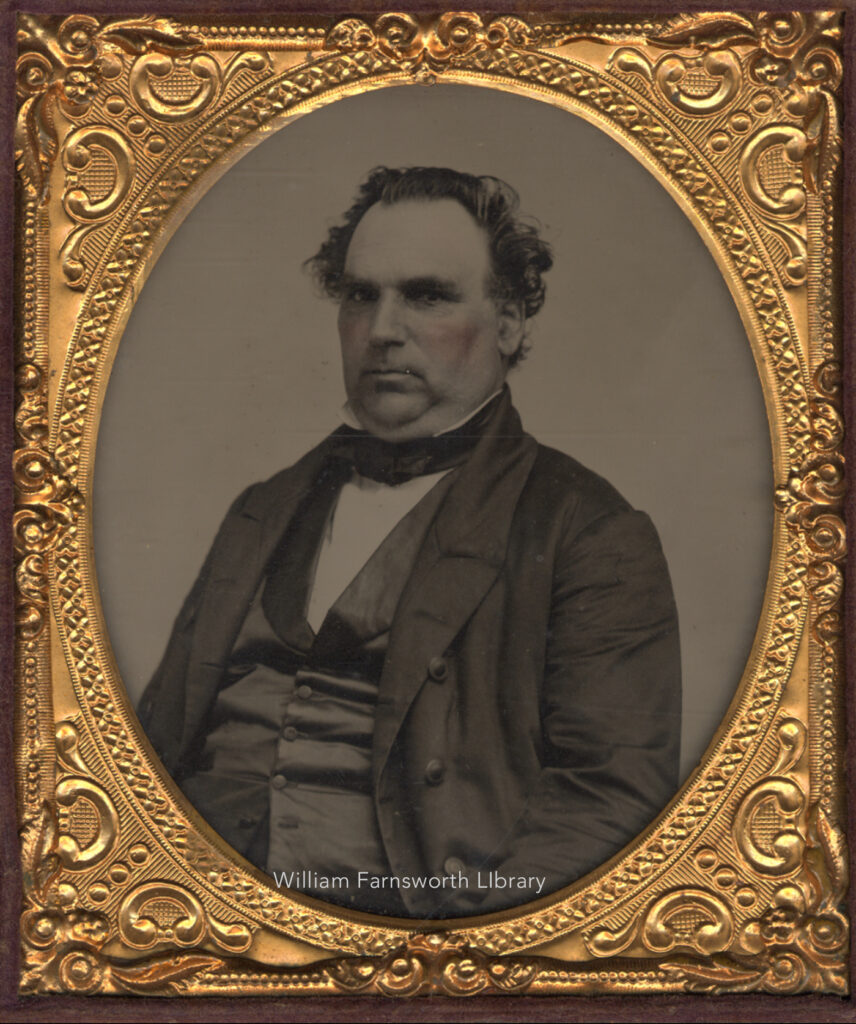
His father, Charles Gerrish Bellamy, was a housewright, a boat builder, and the inspector of timber for the US Navy shipyards in Boston and Portsmouth. John was the eldest of nine children who inherited a respect for manual labor and smart business practices. Bellamy grew up in an historic mansion, built around 1700, and filled with “magnificent interiors with woodwork that has never been excelled.” The raised paneling and ornate carvings of the old William Pepperrell Mansion certainly had a “powerful influence” over the future woodworker, Craig writes.
Spurned by love at an early age, the handsome John Haley Bellamy was 21 when he worked briefly for a Boston woodcarver named Laban Smith Beecher. It was Beecher who carved the gilded eagle that once topped the historic Liberty Pole in Portsmouth’s South End. (That carving is now on display at the Portsmouth Public Library.) Beecher won a few commissions to create figureheads for Navy ships, most notably a carving of President Andrew Jackson for the bow of the USS Constitution. However, vandals quickly sawed the wooden head off the sculpture of the controversial seventh president.
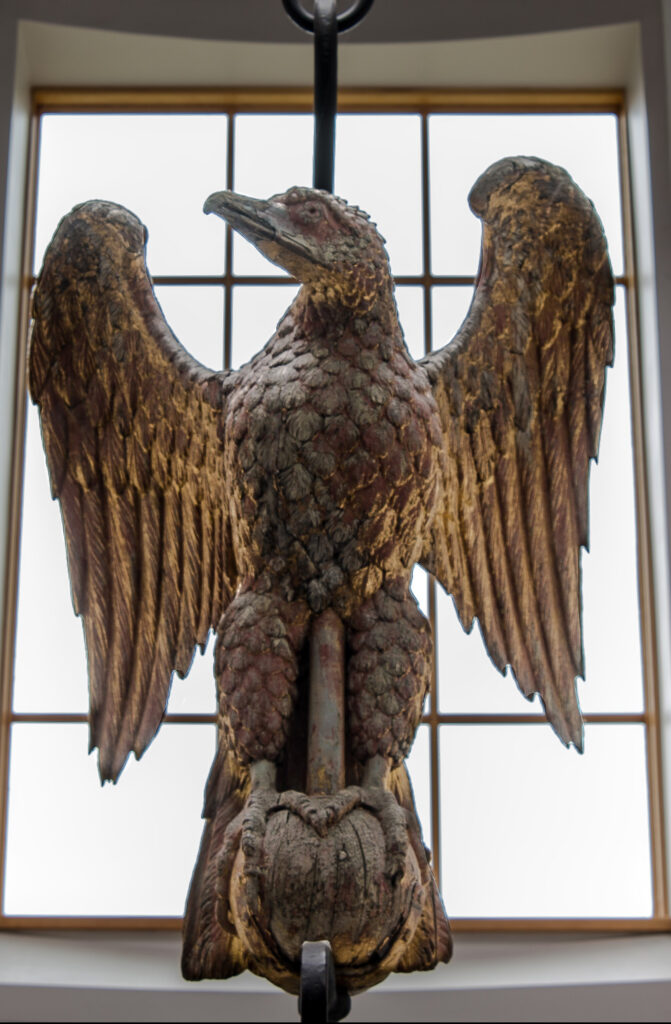
Beecher carved several eagles, including one commissioned for the Marine Barracks at the Portsmouth Naval Shipyard and another that stood over the door of the Bellamy home in Kittery Point, Maine. But Beecher’s realistic style, author Craig argues, was very different from the streamlined eagle design that later made his employee famous. And Bellamy only worked for Beecher about six months before the teacher moved west in 1857. Although Beecher may have “turned Bellamy on” to the eagle motif, says Craig, he did not teach the young man how to carve.
Samuel M. Dockum, a versatile artisan from Portsmouth, is credited as Bellamy’s true mentor. Duckum was the most successful Portsmouth woodworker of his day and ran the biggest shop in New Hampshire’s only seaport. He specialized in bureaus, Grecian couches, coffins, rocking chairs, ironing boards, mantelpieces, and signs. Dockum also provided finish woodworking on ships and houses.
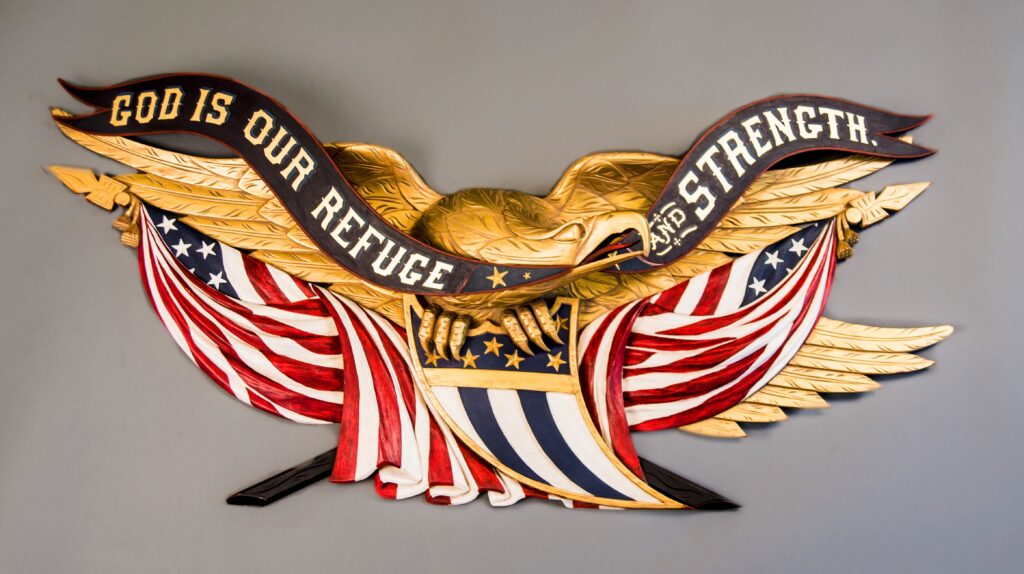
During six years of apprenticeship to Dockum, John Haley Bellamy was exposed to all aspects of the woodworker’s craft. It was also during this period, while living and working in Portsmouth, that Bellamy courted and lost the love of a Kittery girl. After the failed love affair, according to his biographer, Bellamy became “less ambitious and more inclined to recklessness.” It was at this point, Jim Craig writes, that Bellamy worked briefly at Laban Beecher’s shop in Boston, likely to distract him from his failed Kittery affair. But Bellamy was apparently seduced by the temptations of city life.
The heartsick young Bellamy then retreated, at his father’s insistence, to the New Hampton Literary and Biblical Institution. There in central New Hampshire near the White Mountains, Bellamy was safely out of the range, as Craig notes, of “saloons, billiard halls, or other temptations to wrongdoing.” His period of recovery within the religious community seems to have worked, Craig writes, and the young woodcarver “swiftly returned to his old industrious self.” He did, however, remain a bachelor for the rest of his life and maintained an abiding affection for alcohol, although Bellamy was not the reckless drunkard that some legends imply.
Before perfecting his wooden eagles, Bellamy flirted with other moneymaking ideas. He was a prolific inventor and owned a number of patents. His most successful products were carved wooden frames, clock cases, and shelves decorated with Masonic symbols. These ornate carved “emblematic” items matched Victorian tastes and their lucrative sales helped Bellamy hone his skills as an independent businessman.
© J. Dennis Robinson, 2014, updated 2026

 Kittery Master Carver Created Giant Eagle Figurehead