


NOTE: This article appeared in 2012. See an update following the story below.
The locals are plotting again. A small group of patriotic insurgents is meeting secretly to plan another raid on the king’s fort at New Castle. As any true Seacoast resident knows, a mob of some 400 Seacoast residents stormed Fort William and Mary on December 14, 1774. They attacked the royal militia, stole the king’s gunpowder, tore down the British flag, and generally thumbed their noses at British authority.
It was an act of treason for which the leaders, including merchant John Langdon of Portsmouth and lawyer John Sullivan of Durham, could have been hanged. And it was, no matter what your history book says, the first major conflict of the American Revolution, four months before the battle at Lexington and Concord.
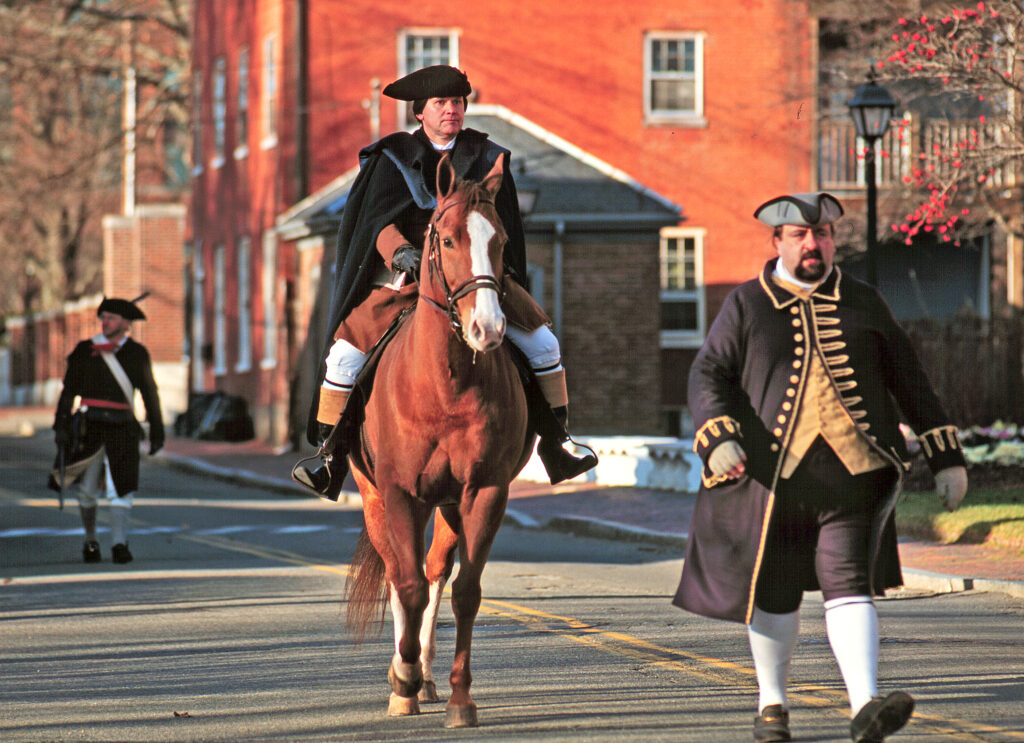
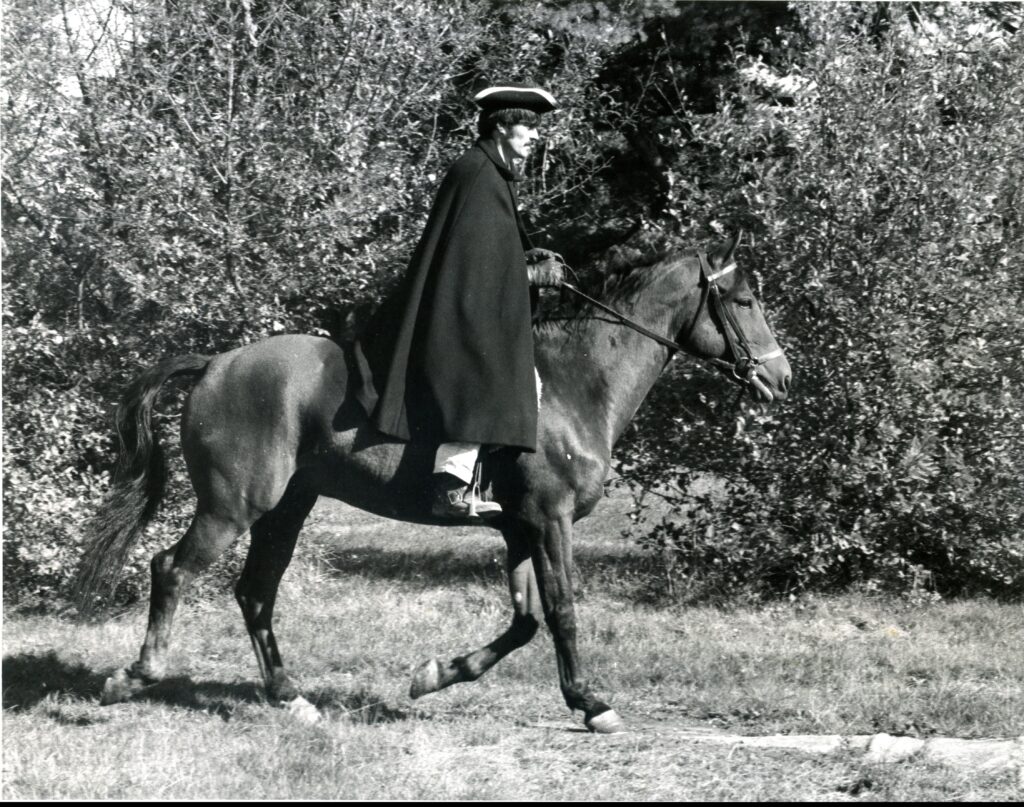
Eight history enthusiasts met at an undisclosed location in September 2012 to discuss re-enacting the battle that should have made New Hampshire famous. Only six men stood guard at the fort (later renamed Fort Constitution) when Boston activist Paul Revere rode into town on December 13, 1774. Revere warned Piscataqua residents that the British were sending troops to secure the king’s armory to prevent rowdy colonists from getting the munitions to foment a revolution. After a tense meeting in a local tavern, the next morning, a mob walked, rowed boats, and rode horses to Great Island. They taunted the soldiers and then stormed the fort.
Captain John Cochran commanded the five soldiers at the fort that was in poor condition. Shots were fired.Cochran resisted and there was a short-lived battle in which at least one man was wounded.
“I immediately ordered three four-pounders to be fired on them, and then the small arms; and, before we could be ready to fire again, we were stormed on all quarters, and they immediately secured both me and my men,” Cochran reported to New Hampshire governor John Wentworth at his home on what is now Pleasant Street.
Two revolutionaries reborn

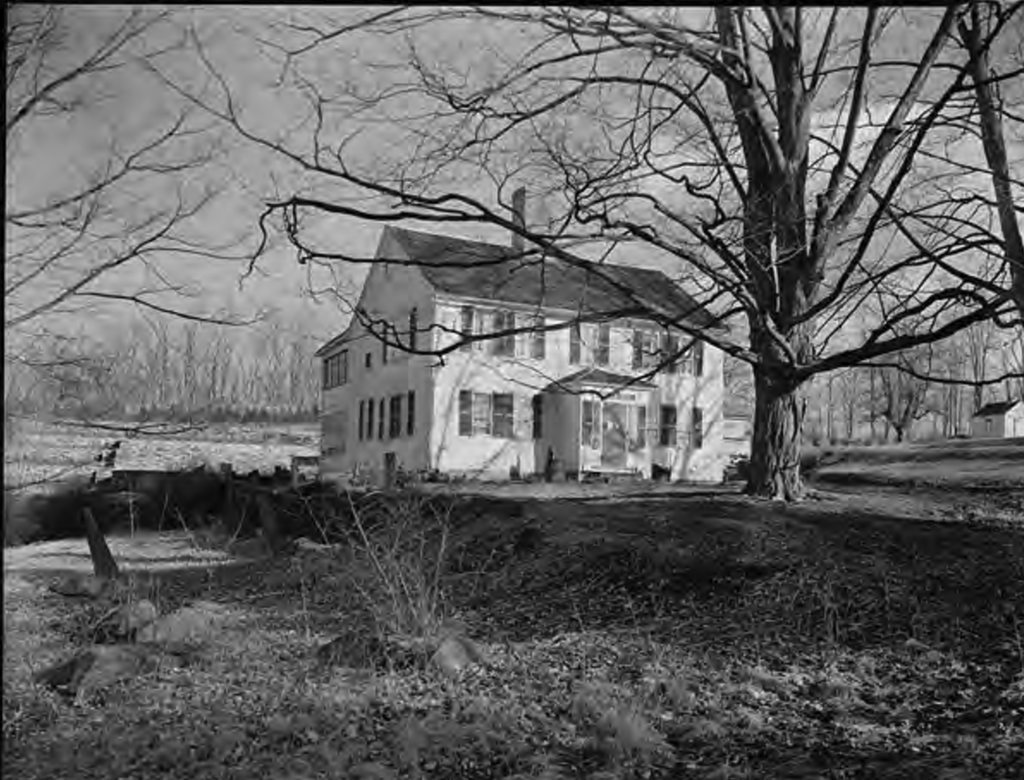
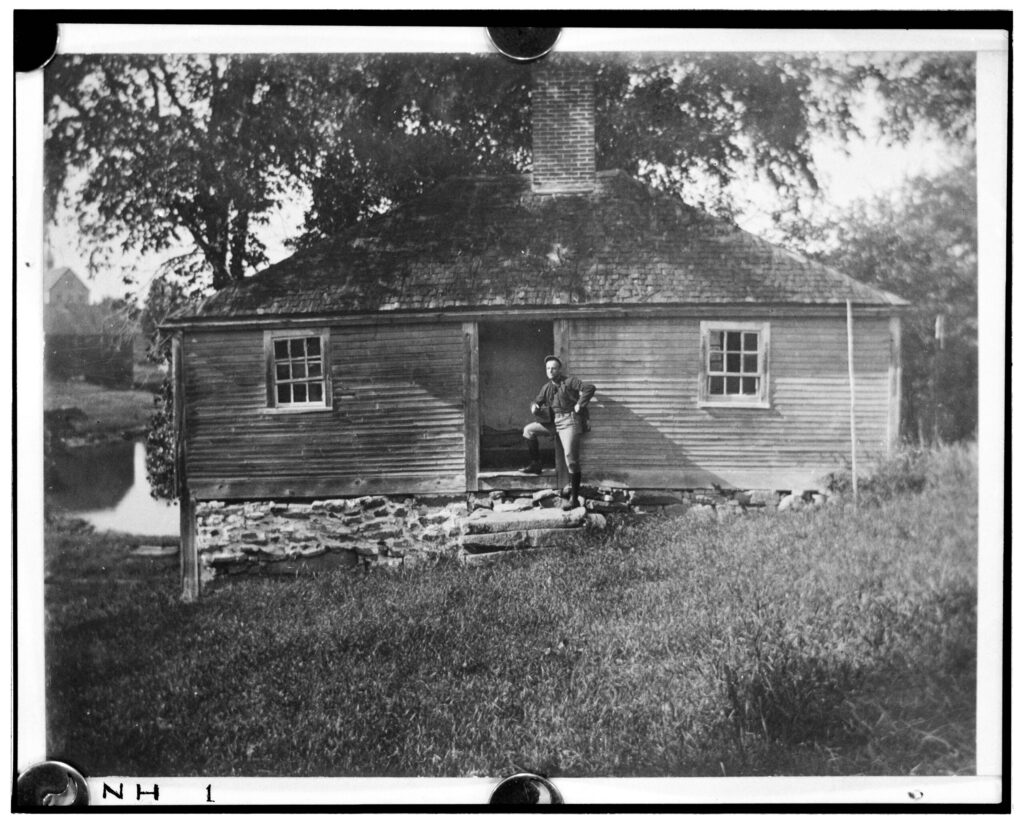
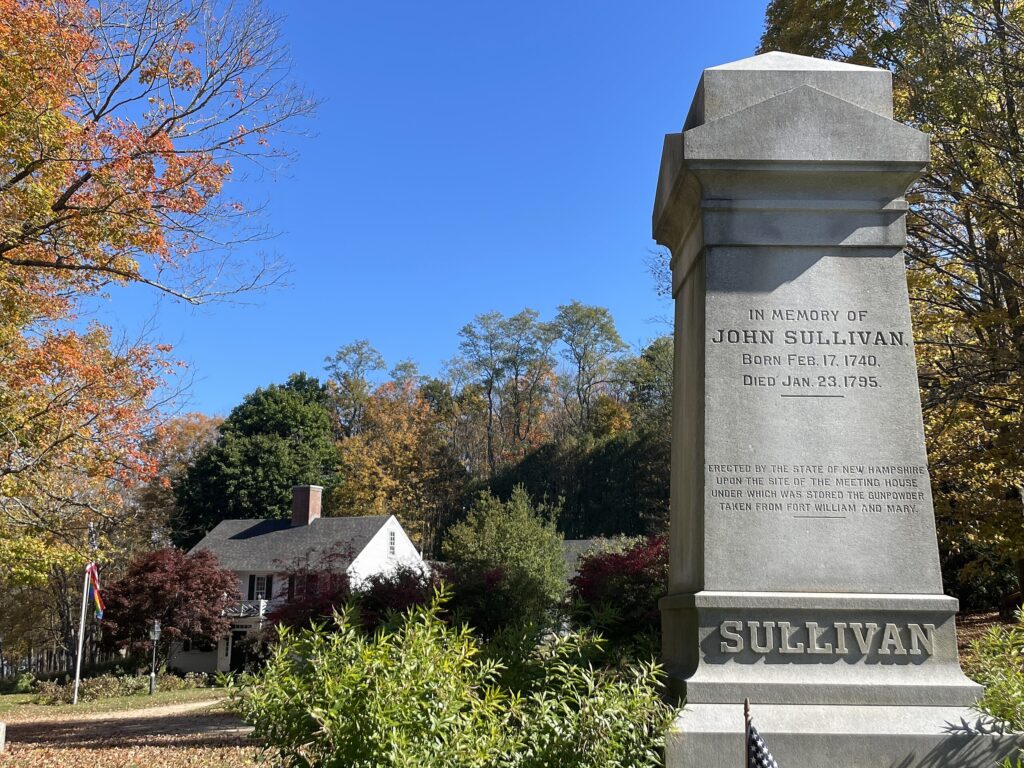
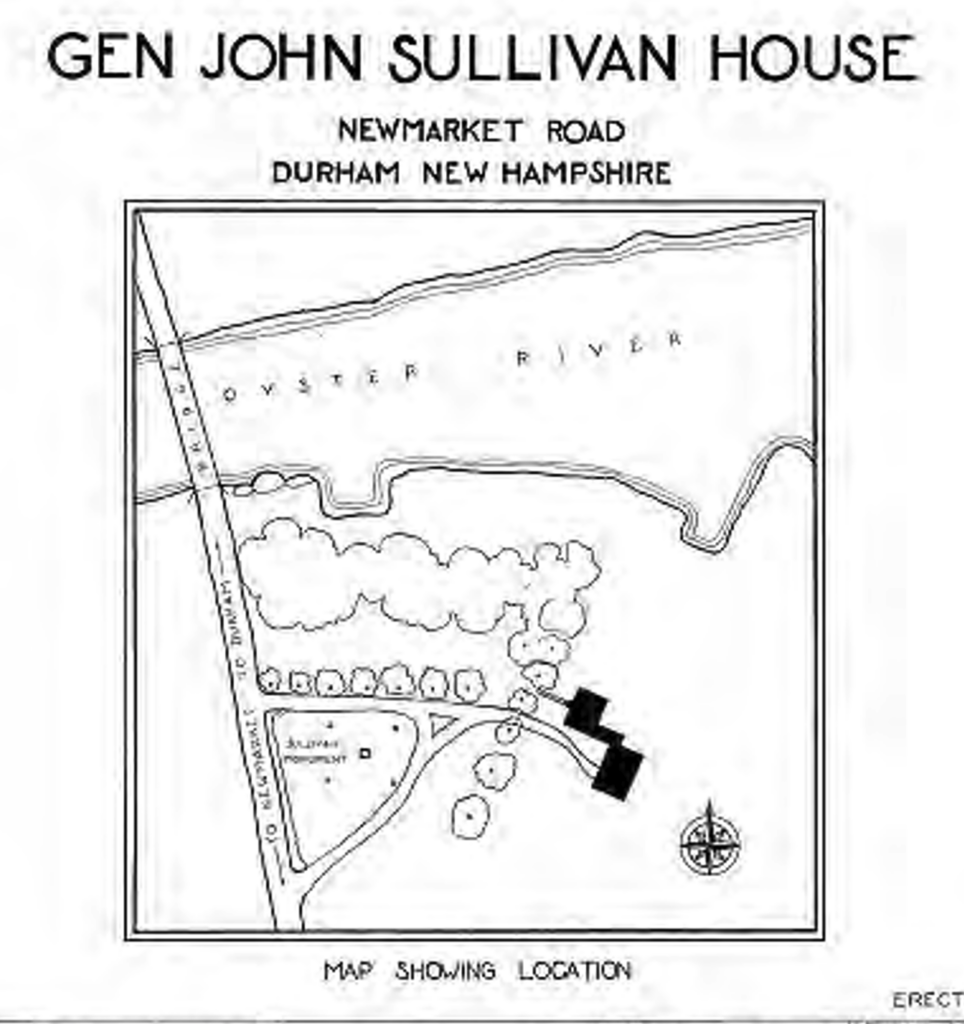
“It’s a groundswell,” says Doug MacLennan of Durham, NH. He’s been inciting locals to riot again. This time, it’s a battle for public relations in an effort to remind New Hampshire of its key role in the American Revolution. Curiously, MacLennan owns the historic house that once belonged to John Sullivan, a leaders of the 1774 raid. The site of the house at Oyster River Landing in Durham has been dated to 1717. Sullivan bought it in 1764 (when he was only 24) and it had been abandoned for 40 years before MacLennan and his wife began a lengthy restoration.
Sullivan may be better known in New York, New Jersey, Pennsylvania, and Rhode Island for his Revolutionary War exploits than here in his home state. After the Revolution, Sullivan served as a delegate to the Continental Congress and as an early state governor. But he is also remembered as a heavy drinker, heavy litigator, and slave owner. He also led a scorched-earth campaign against the Iroquois nation. Despite being listed as one of the top historic sites to see in Durham, the Sullivan House has always been in private hands and has never been open to the public.
“He [Sullivan] was either the worst SOB who ever came out of New Hampshire or the best SOB who ever came out of New Hampshire, depending on who you ask,” MacLennan says.
Among MacLennan’s co-conspirators in the planned raid is Concord attorney Thomas F. Kehr who occasionally re-enacts the role of merchant and shipbuilder John Langdon. Langdon’s restored historic home still stands on Pleasant Street in Portsmouth. Kehr admits he is a bit obsessed by the often-forgotten Langdon, who also served on the Continental Congress and as a New Hampshire governor. Both rebels were wealthy business owners and rising political stars in their mid-30s when they spearheaded the Portsmouth raid. But were risking their fortunes and their lives in what became the patriot cause.
“He [Langdon] was no John Sullivan who would go off on anything,” Kehr says. “He was quieter. He was a sea captain, just a fascinating guy. He was all about doing things, getting things done.”
The Portsmouth powder alarm
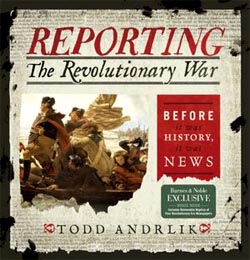
Two recent books may help drive the historic raid back into 21st-century consciousness. Reporting the Revolutionary War: Before It Was History, It Was News is from Sourcebooks. The 400-page, four-pound hardcover by amateur Chicago historian Todd Ardrlik contains reproduced pages from hundreds of newspapers printed during the Revolutionary, plus commentary by over 30 history experts. (Among those essays is one by this author on the 1774 raid.) With 40,000 copies in print, the Portsmouth story is finally being given its rightful place in the lead-up to war.
More importantly for New Hampshire readers is a new paperback by local writer Terri A. DeMitchell. Her newest book for young readers The Portsmouth Alarm: December 1774 tells the explosive story from the viewpoint of three young boys. Andrew Beckett, Jack Cochran and Joseph Reed are fictional characters placed smack into the well-researched background. DeMitchell reminds us that these were confusing and frightening times when only about a third of the population was in favor of a break with Mother England. Another third were loyal to the king, while the rest were undecided. Each boy in The Portsmouth Alarm represents a different position just as Paul Revere comes galloping mysteriously into town.
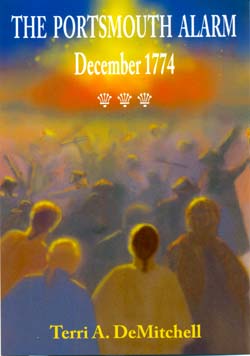
Andrew is hoping that his family connections to the generally well-liked Governor Wentworth will get him into Harvard College. Joseph, the son of a cooper, sides with the Sons of Liberty and despises the wealthy Gov. Wentworth. Jack, whose father is captain at the fort, gets caught in the crossfire.
“You’re going to have to decide which side you’re on,” Joseph tells Andrew in the streets of Portsmouth. “Things are going to get bad…Parliament will close our port just like they did in Boston. You wait and see.”
DeMitchell has done her homework. A former elementary school teacher, college lecturer, and lawyer, she strikes a neat balance between defining the heady times and reporting the action. Why has Paul Revere come 60 miles from Boston in the worst of winter weather? Can the governor control the increasingly riotous citizens? Who really owns the gunpowder and the guns – King George or the people of New Hampshire? Is the raid an act of patriotism or mob rule? DeMitchell wants young readers to make up their own minds.
Were we really the first battle?
New Hampshire has no action to rival the bloody battles that followed four months later in Massachusetts. But the Portsmouth Powder Alarm was a key factor in the chain of events that led to the outbreak of war. Those details are artfully spelled out in the bestselling book Paul Revere’s Ride by the highly respected scholar David Hackett Fischer. British General Gage, as Fischer explains, planned to disarm the troublesome New Englanders by “a series of small surgical operations—meticulously planned, secretly mounted, and carried forward with careful economy of force.” He wanted to prevent, not incite a war. But Gage’s plan backfired.
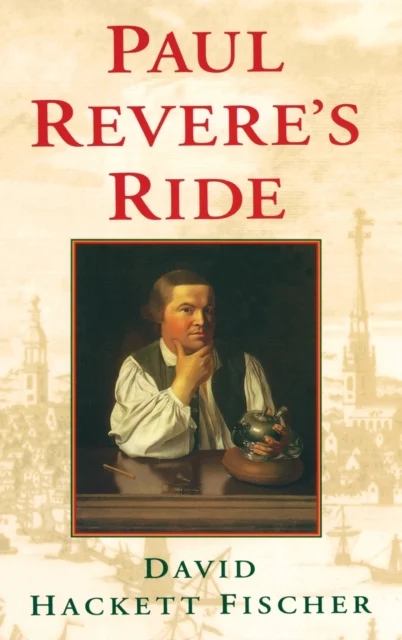
By successfully capturing the powder supplies in Boston during a nighttime raid in September 1774, Gage triggered the Powder Alarm that followed. Thousands of colonists were ready to respond. Secret committees formed across New England to prevent another surprise attack. Paul Revere was influential among the colonists who spied on the Tories, while Gen. Gage, in turn, spied on Revere and other insurgents. Gage’s plan to obtain the powder from the armory at Worcester was abandoned, but Portsmouth was the likely next target. Although British troops were not immediately en route to Fort William and Mary when Revere rode into Portsmouth, the alarm was real. Citizens in other New England towns quietly removed the ammo from their forts and a follow-up march by Gage’s men to Salem, Massachusetts failed. Before the march on Concord in April 1775, the only violent confrontation of the campaign came here at Portsmouth.
Whether Captain Cochran’s men fired directly into the mob on December 14, 1774 is unknown. No one in the crowd was injured. When one Yankee rebel knocked one of Cochran’s soldiers in the face and knocked him down with the butt of a gun, the Revolution, from a New Hampshire perspective, had begun.
“These were truly the first blows of the American Revolution,” writes David Hackett Fischer.
According to Gen. Gage, the citizens of Portsmouth had been needlessly provoked by Paul Revere’s alarmist message. But the precedent was set. Despite Gov Wentworth’s stern condemnation of the raid, the powder and arms taken by local citizens were not returned. It was possible for citizens to raid the king’s armory, tear down the British colors, flaunt the law, commit treason – and get away with it. While Wentworth certainly knew that John Langdon and John Sullivan were among the ringleaders, he knew it was too risky to order them arrested and hanged. Within the coming year, Wentworth himself would be branded an enemy of the people and driven from his house (now the Mark Wentworth Home) never to return under penalty of death.
Only a matter of time
King George lost more than guns and powder here. After the powder alarm, Fischer writes, both New Englanders and British troops felt “a growing sense that conflict was inevitable.” The coming war was only a matter of time, and the colonists were determined that, to justify their cause, it was essential that the British should be enticed into firing first. No one knows who fired the first shot at Lexington on April 19, 1775 where eight colonists were killed, but this is where most history books begin the story.
And that’s why MacLennan and Kehr, like Sullivan and Langdon before them, have their sights set on New Castle. But this 240th anniversary event will be a more polite and organized affair. The fort is owned by the state of New Hampshire and there is very limited access and clearly not enough parking for a sizeable mob. And the date needs tweaking.
“Doing it on December 14, it’s been nuts,” MacLennan says. Previous re-enactments staged on the precise anniversary have met with chilling weather. MacLennan imagines a more tourist-friendly event held sometime in July or August while re-enactors are traditionally encamped at Strawbery Banke Museum and the American Independence Museum.
Attacking a fort isn’t as easy as it used to be. There are food concessions to worry about, traffic police to hire, parade permits, re-enactors, canon, gundalows, media coverage, and so many logistics. The committee admits it needs help. But the mission to raise public awareness is clear.
“It’s devastating,” MacLennan says of the lack of information on the importance of the 1774 raid. “I mean I grew up in New Hampshire. I liked history in high school and I had a really good history teacher, but never heard a word about this. I mean, it was like New Hampshire wasn’t even in the war. It’s terrible.”
Even poet Henry Wadsworth Longfellow got much of the history wrong in his memorable poem about Paul Revere. Portsmouth’s claim to fame should be a matter of record, MacLennan says.
“Shots fired, prisoners of war, flag hauled down – if Longfellow had written about that, and if somebody had been killed, this would have been Lexington and Concord.”
Copyright © 2012 by J. Dennis Robinson, all rights reserved.
AUTHOR UPDATE: There have been multiple events, including another mock raid, at the New Castle fort and increasing national news coverage of the New Hampshire powder raid since the 20204 anniversary. The historic site, at this writing, remains largely inaccessible, increasingly endangered, and managed by the State of New Hampshire. A group called Friends of Fort Constitution appeared in 2023 and held several events to raise public awareness, but their website calendar showed no activity in 2025. A self-published book by Michael Geanoulis of New Castle, NH, appeared in 2023. “Shots Not Heard Round the World: (the title of an earlier article on this site) offers the latest in the ongoing research. In a related story, plans to demolish the Gen. John Sullivan Bridge in the seacoast have been scheduled for 2026. My article on the link between the 1774 powder Alarm and the 1775 Battle of Bunker Hill appeared recently in NH Magazine and will soon appear here on SeacoastHistory.com
 The Media and Historic Preservation, Still a Friendly Forum?